当前位置:首页 >> Compassion in Care
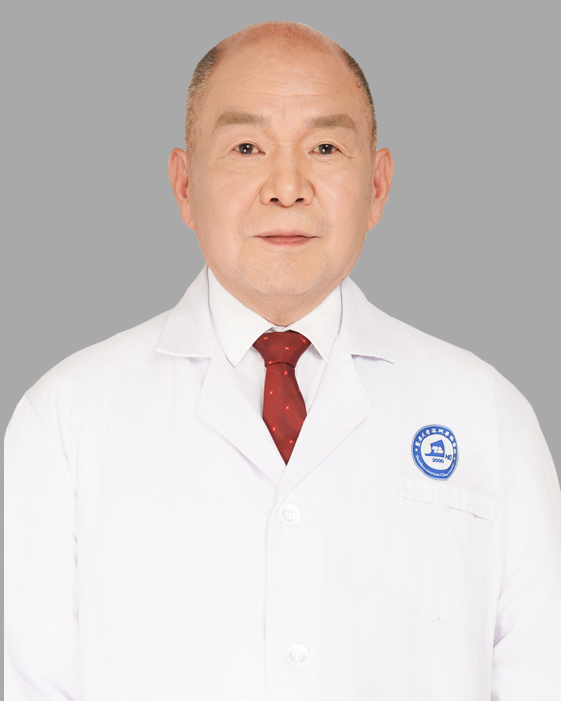
Professor Duan Chuanwei, Director of the Autism Treatment Ward and Academic Leader in Rehabilitation Medicine
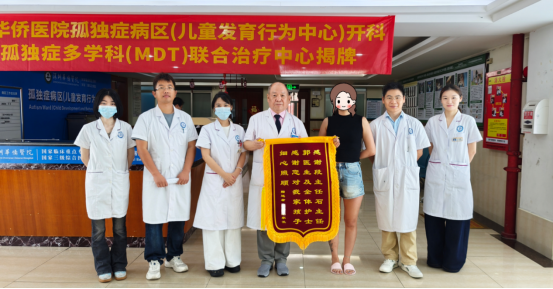
In the autism treatment ward of Shenzhen Overseas Chinese Hospital, every day is a witness to growth, filled with warmth and hope. Recently, the mother of Xiao Qiao (pseudonym), a child with autism, made a special trip to present a bright red silk banner, its words burning with gratitude and sincere emotion: “Thank you, Director Duan, Director Shi, Dr. Guo, and all the nurses. Thank you for your meticulous care of my child.”
A banner, a token of trust—it bears witness to a rehabilitation transformation from silence and isolation to openness and confidence, and also reflects the medical compassion of Professor Duan Chuanwei, Director of the Autism Treatment Ward at Shenzhen Overseas Chinese Hospital, who breaks through difficulties with expert skill and warms hearts with a benevolent heart. Stories like this—lighting up hope with professionalism and safeguarding growth with warmth—unfold every day in his clinic.In the autism treatment ward of Shenzhen Overseas Chinese Hospital, every day is a witness to growth, filled with warmth and hope. Recently, the mother of Xiao Qiao (pseudonym), a child with autism, made a special trip to present a bright red silk banner, its words burning with gratitude and sincere emotion: “Thank you, Director Duan, Director Shi, Dr. Guo, and all the nurses. Thank you for your meticulous care of my child.”
A banner, a token of trust—it bears witness to a rehabilitation transformation from silence and isolation to openness and confidence, and also reflects the medical compassion of Professor Duan Chuanwei, Director of the Autism Treatment Ward at Shenzhen Overseas Chinese Hospital, who breaks through difficulties with expert skill and warms hearts with a benevolent heart. Stories like this—lighting up hope with professionalism and safeguarding growth with warmth—unfold every day in his clinic.
Dedicated to Deep Research, Serving as a “Guide” in Autism Diagnosis and Treatment
As Director of the Autism Treatment Ward and Academic Leader in Rehabilitation Medicine at Shenzhen Overseas Chinese Hospital, Professor Duan Chuanwei has devoted more than 40 years to pediatric neurorehabilitation. He has always adhered to a patient-centered treatment philosophy. In the face of autism, a worldwide challenge, he has continuously explored cutting-edge approaches and broken through bottlenecks, becoming a highly respected authoritative expert in the field. As one of the leading figures in the field of autism/autism spectrum disorder and cerebral palsy in China, Professor Duan Chuanwei is also the person in charge of key specialties during the 11th and 12th Five-Year Plan periods under the National Administration of Traditional Chinese Medicine, and an expert of the Key Specialty Expert Group of the National Administration of Traditional Chinese Medicine.
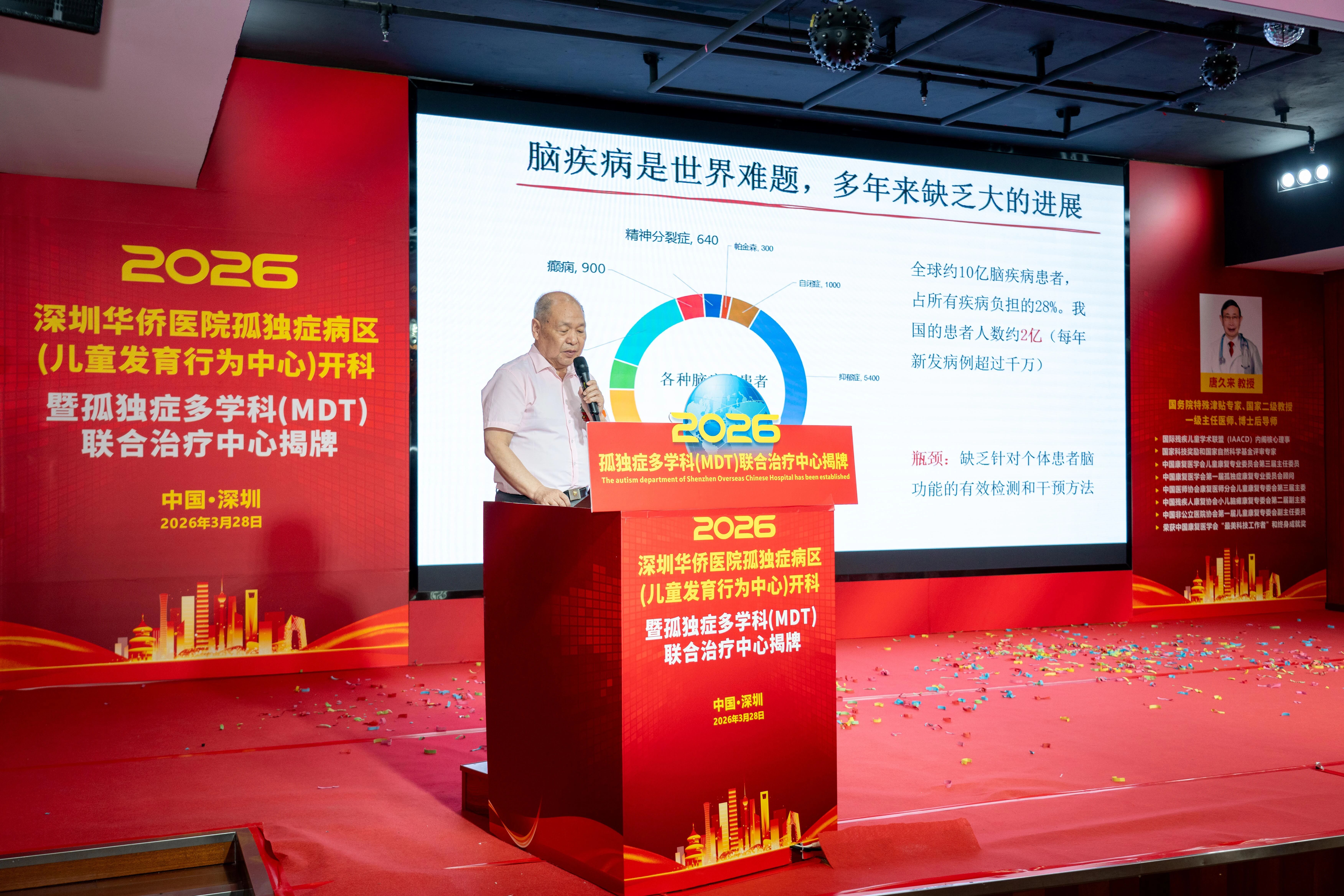
In 2026, Professor Duan Chuanwei participated in leading the establishment of the Autism Multidisciplinary Joint Treatment Center at Shenzhen Overseas Chinese Hospital. The center brings together authoritative forces from multiple fields, including rehabilitation medicine, anesthesiology, neurology, traditional Chinese medicine, pediatrics, and psychiatry/psychology, and has formed an interdisciplinary diagnosis and treatment team. It has built a full-chain service system covering “screening—diagnosis—intervention—follow-up—family support,” and fully implements a “one person, one plan” precision diagnosis and treatment model to make up for the shortcomings of traditional diagnosis and treatment. The center has introduced internationally cutting-edge technologies such as precision neuromodulation technology for brain functional circuits and low-concentration sevoflurane comprehensive anesthesia therapy. Combining multiple approaches including gut microbiota transplantation, targeted drug therapy, distinctive traditional Chinese medicine techniques, and modern rehabilitation techniques, it tailors “one-stop” precision treatment plans for children with autism.

Children with autism are called “star children.” They live in their own worlds, with varying degrees of impairment in social communication, cognitive expression, and emotional behavior, placing a heavy burden on their families. Countless families of children with autism seek medical help in confusion, and countless children wait in loneliness. The Autism Treatment Center where Professor Duan Chuanwei works has always been a lamp illuminating their path ahead. As China’s first multidisciplinary joint treatment center for autism, it not only carries the mission of tackling medical challenges but also embodies the hope of countless families seeking a new life.
From “one-size-fits-all” rough intervention to “one person, one plan” precision navigation, Professor Duan Chuanwei and his team are using science as their wings and compassion as their helm, fully advancing China’s autism diagnosis and treatment into a new stage of biophysiological treatment and precision medicine, striving to ensure that every lonely “star” can be seen, understood, and ultimately integrate into the brilliant galaxy, shining with its own light.
Precise Treatment: Using Professional Expertise to Light Up the “Stars”
Xiao Qiao, 9 years old, is one of Professor Duan Chuanwei’s many patients and a child whom his team has cared for with dedication and full-course attention.
In April 2026, Xiao Qiao was admitted due to “cognitive delay with hyperactivity for more than 6 years.” He was diagnosed with childhood autism, attention-deficit/hyperactivity disorder, speech developmental disorder, and intellectual disability. At admission, he avoided eye contact and was silent and taciturn; his articulation was unclear, and he had difficulty forming sentences. His cognitive comprehension and logical thinking abilities lagged behind. He was hyperactive and had poor concentration. His interests were narrow, and he was only obsessed with mobile phones, unwilling to make eye contact or communicate with others. His social skills were weak, his sense of boundaries was poor, and his fine motor skills were slightly poor. After years of seeking medical treatment in many places with little effect, the child’s aloofness and silence plunged the whole family into endless anxiety.
After admission, Professor Duan Chuanwei immediately organized a multidisciplinary joint consultation to comprehensively assess Xiao Qiao’s neurodevelopment, cognitive level, social ability, and physical constitution. They found that he also had spleen deficiency and an allergic constitution, and that after mosquito bites, the area of redness and swelling was far larger than normal. Based on this, Professor Duan Chuanwei’s team tailored a multidisciplinary joint individualized diagnosis and treatment plan for Xiao Qiao: “precise neuromodulation of brain functional circuits + comprehensive anesthesia therapy + modern rehabilitation training.”
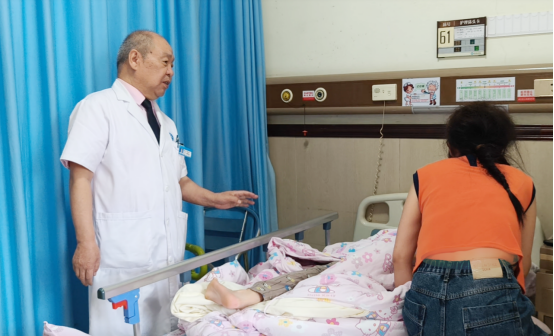
Throughout the diagnosis and treatment process, Professor Duan Chuanwei’s meticulous care was present at every step. He was especially concerned about Xiao Qiao’s eyesight and repeatedly reminded the child’s mother: “Do eye massage twice a day, 50 times each time. Keep at it, and you will definitely be able to take off his glasses.” He demonstrated the massage technique hand by hand and patiently explained how to apply force, his tone gentle yet firm: “Taking off his glasses is not just about saving money. The child will be more comfortable in sports and daily life, and his self-confidence will also be stronger.” These thoughtful reminders made the parents feel deeply warmed.
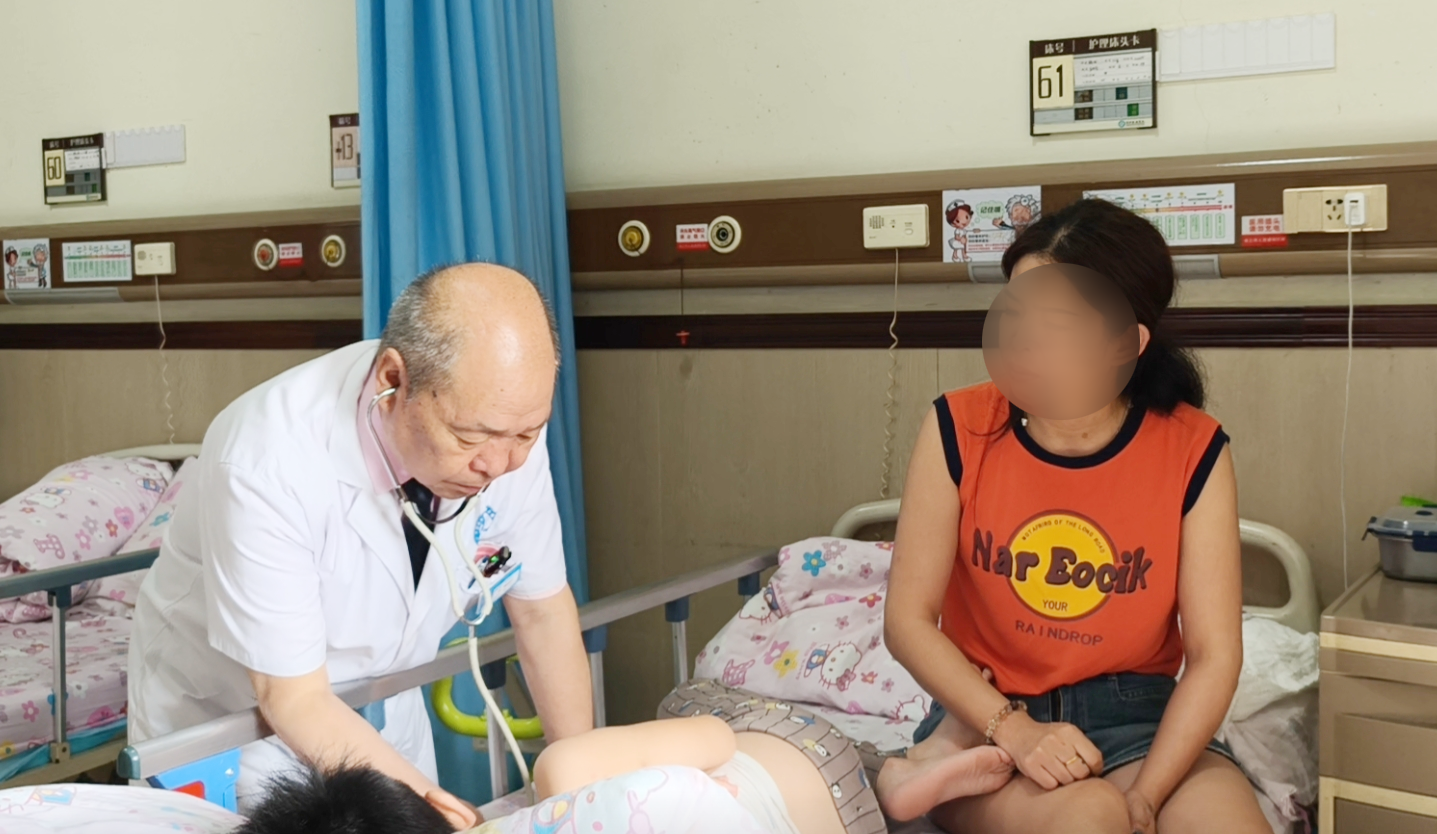
Treatment was not always smooth sailing. Once, Xiao Qiao suddenly developed a cold and cough, accompanied by a low fever, and could not undergo anesthesia therapy on schedule. When Professor Duan Chuanwei was making ward rounds, he came as soon as possible, personally took the child’s temperature and listened to his chest, and carefully asked about his diet and sleep. With a slightly furrowed brow, he gently reassured them: “Yesterday he was still eager to have the anesthesia (therapy). We need to help him recover his health first as soon as possible before he can receive treatment. The child’s health is the most important thing.” He instructed the family to give him more lightly salted water and ensure he got enough rest, adjusted the plan based on the examination results, and patiently explained the condition to ease the parents’ anxiety. His care was attentive throughout, just like that of a family member.
Warm Companionship: Melting the Barriers of Loneliness with a Caring Heart
In daily life, when Professor Duan Chuanwei walked around the ward, he always remembered every patient’s name and took the initiative to greet them. His gentle tone and kind smile gradually narrowed the distance between them. One day, Professor Duan Chuanwei and Xiao Qiao happened to meet in the corridor. Seeing Professor Duan Chuanwei, amiable and beaming, walking toward him, Xiao Qiao did not dodge or avoid him. He took the initiative to greet him and said clearly, “Hello, Doctor.”
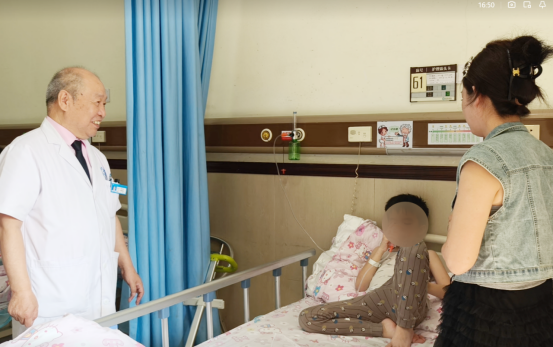
A simple sentence and a single gesture were deeply moving. From avoiding eye contact and refusing to communicate at admission, to actively making eye contact and politely greeting him during this chance encounter, this trust that crossed the barrier of loneliness was the most precious gift on the road to recovery, and it embodied Professor Duan Chuanwei’s dedication and warmth day after day.
Hard work pays off. After only a few days of treatment, Xiao Qiao showed encouraging changes: from resisting treatment to actively cooperating, and from passive responses to taking the initiative to say to his father, “Dad, where are you going?” “Come home early,” “Goodnight, Dad,” and “I won’t chat with you anymore; we need to turn off the lights and rest.” His willingness to communicate increased significantly. As the treatment course progressed, his progress became even more remarkable:
· Significant improvement in cognition and language: fluent expression, clear logic, and greatly expanded depth and breadth of language.
· Comprehensive breakthroughs in social skills and emotional intelligence: actively makes eye contact, greets others politely, and can take the initiative to make friends with both adults and children.
· Increasingly mature behavioral abilities: has learned to share toys, takes the initiative to say “thank you,” has a clear sense of property ownership, and knows how to protect his own belongings.
· Notably expanded interests and hobbies: no longer addicted to mobile phones, and enjoys playing with toy guns, dinosaur eggs, and the like.
It is worth mentioning that Xiao Qiao now particularly enjoys hospital life and keeps saying that he wants to stay in the hospital and does not want to go home. In his heart, there is the gentle and kind Professor Duan Chuanwei, the medical staff who provide attentive care, and playmates to play with—everywhere is filled with warmth and a sense of security.
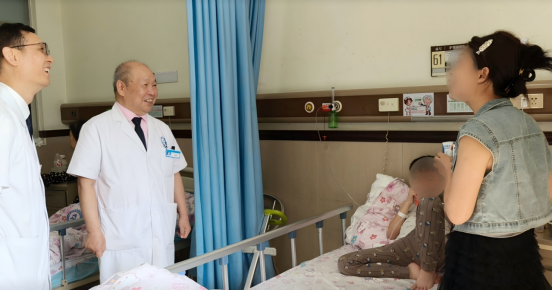
Watching her child go from withdrawn and silent to cheerful and sensible, from cognitive delay to clear thinking, and from being addicted to mobile phones to expanding his interests, Xiao Qiao’s mother was full of gratitude: “Professor Duan Chuanwei’s team is not only highly skilled in medicine, but also keeps the child’s daily life close to heart and cares about the child’s physical and mental health. I am very grateful.”
Such precise treatment and warm protection, helping children with autism step out of loneliness and embrace the sunshine, have long ceased to be isolated cases in Professor Duan Chuanwei’s medical career.
Safeguarding with Expertise, Protecting Every Hope with the Original Aspiration
“The world of children with autism is simple yet sensitive. We must understand their silence, and with professionalism and warmth, accompany them as they slowly come out of it.” This is something Professor Duan Chuanwei often says, and it is also a true portrayal of his many years in medicine.
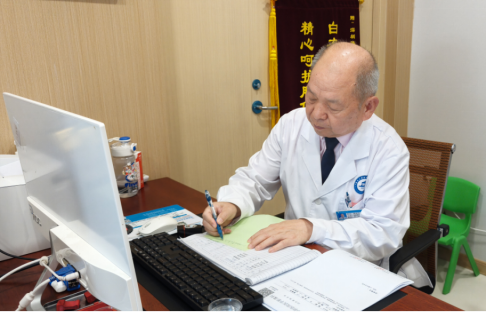
In Professor Duan Chuanwei’s eyes, every child with autism deserves to be treated with tenderness. During ward rounds, he bends down to communicate with the children at eye level, takes the initiative to greet them and shake their hands, and gently soothes their emotions. During treatment, he closely observes their reactions, dynamically adjusts the plans, and leaves no detail overlooked. In daily life, he also keeps the children’s diet, sleep, studies, and other needs in mind, giving meticulous reminders and thoughtful care. His consultation room is always filled with warmth and kindness. Through every word and action, he warms every child and every family.
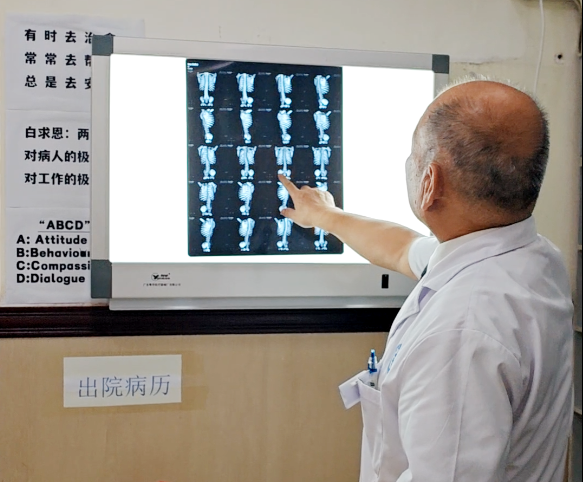
Because he has long been in contact with families affected by autism, he better understands their hardships. Long-term financial pressure, mental torment, and physical exhaustion leave countless parents anxious and helpless. In every communication, Professor Duan Chuanwei patiently explains the condition, explains the treatment plan, and provides feedback on progress, using professionalism to dispel concerns. He teaches parents rehabilitation techniques and precautions hand by hand, encouraging them to remain patient and persevere in companionship, so that the hospital and families can work hand in hand to jointly support the child’s growth.
He not only focuses on the child’s physical rehabilitation but also values character development: guiding children to read and write and maintain a regular routine; teaching them to be grateful and polite to others; and cultivating self-discipline, staying away from mobile phones, and engaging in more beneficial activities. Under his influence, more and more children with autism not only improve their abilities but also become sensible, cheerful, confident, and sunny.
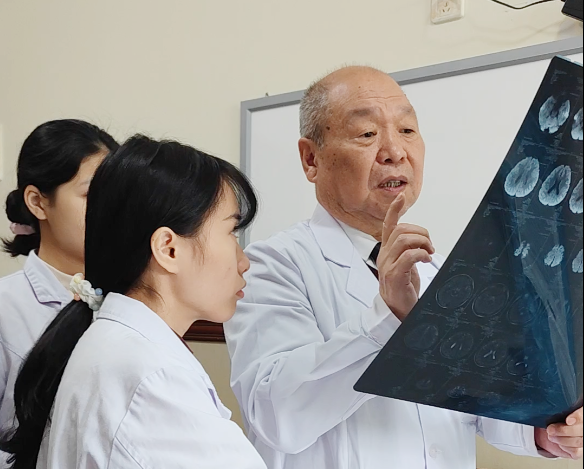
With a benevolent heart as a lamp and expert skills as wings, Professor Duan Chuanwei has always remained true to his original aspiration as a doctor, silently safeguarding a group of “star children” and warming one family after another trapped in hardship. Stories of curing illness with skilled hands and easing worries with a warm heart are countless in his clinic.
In the future, Professor Duan Chuanwei will continue to devote himself to the field of autism diagnosis and treatment, leading the medical and nursing team to continuously refine their techniques, optimize treatment plans, and steadily improve diagnosis and treatment standards. He will help more “star children” step out of loneliness and integrate into society, using a benevolent heart and expert skills to light up every star and safeguard every hope.
 Appointment Service
 Traffic Guide
 Medical Notice