当前位置:首页 >> Announcements >> Media Coverage

People's Daily: Autism Diagnosis and Treatment Moves Toward Precision: Multidisciplinary Collaboration Breaks the Traditional Intervention Dilemma
2026-07-25 09:18:21
April 2 marks the 19th World Autism Awareness Day. Currently, China has more than 10 million people with autism, including about 3 million to 5 million patients aged 0–14. For a long time, treatment for this group has faced challenges such as fragmented disciplines, generalized intervention approac...
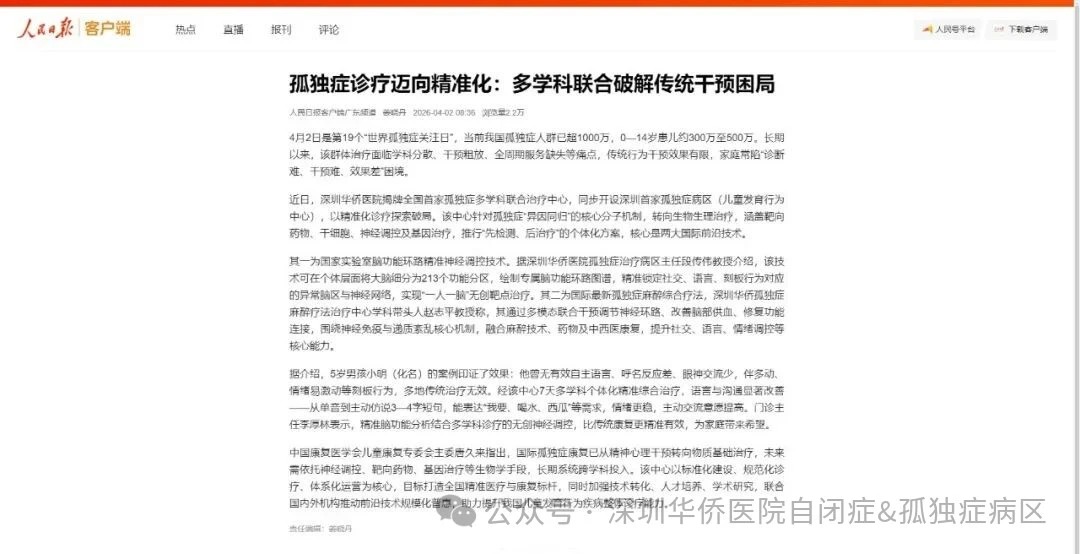

April 2 marks the 19th World Autism Awareness Day. Currently, China has more than 10 million people with autism, including about 3 million to 5 million patients aged 0–14. For a long time, treatment for this group has faced challenges such as fragmented disciplines, generalized intervention approaches, and a lack of full-cycle services. Traditional behavioral interventions have limited effects, and families are often trapped in the predicament of “difficult diagnosis, difficult intervention, and poor outcomes.”

China’s First Multidisciplinary Combined Treatment Center for Autism Unveiled

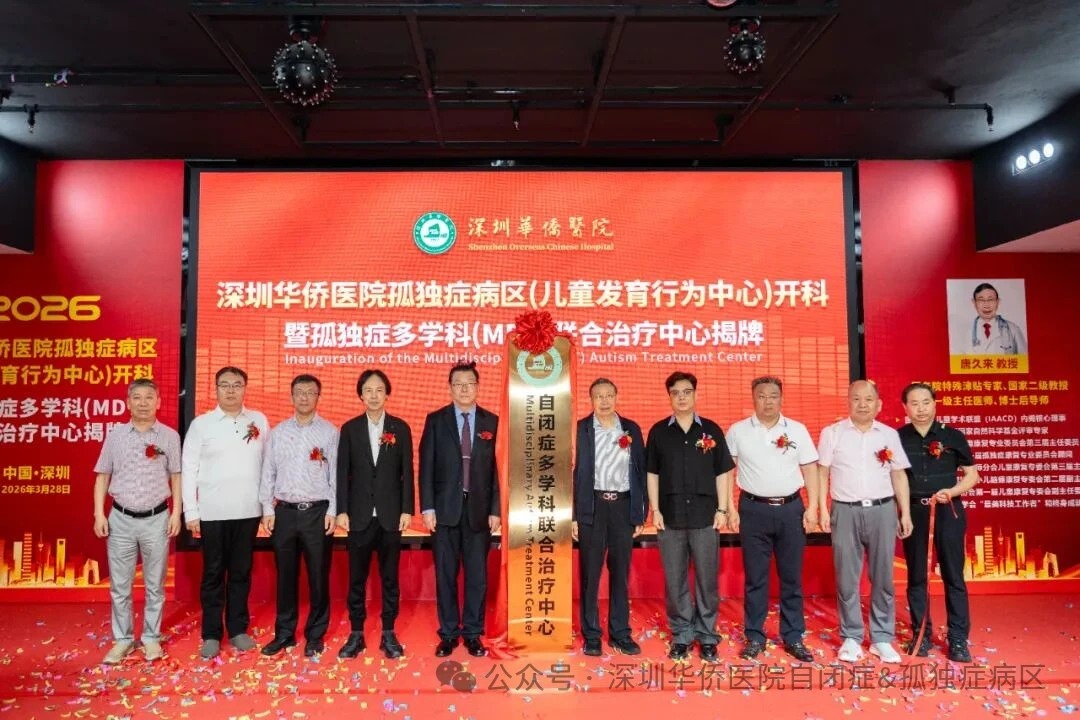
Recently, Shenzhen Overseas Chinese Hospital unveiled China’s first multidisciplinary combined treatment center for autism and simultaneously opened Shenzhen’s first autism ward (Child Developmental Behavioral Center), exploring a breakthrough through precision diagnosis and treatment. Targeting the core molecular mechanism of autism whereby “different causes converge into the same outcome,” the center has shifted toward biophysiological treatment, covering targeted drugs, stem cell therapy, neuromodulation, and gene therapy. It implements an individualized “testing before treatment” approach, with two internationally cutting-edge technologies at its core.
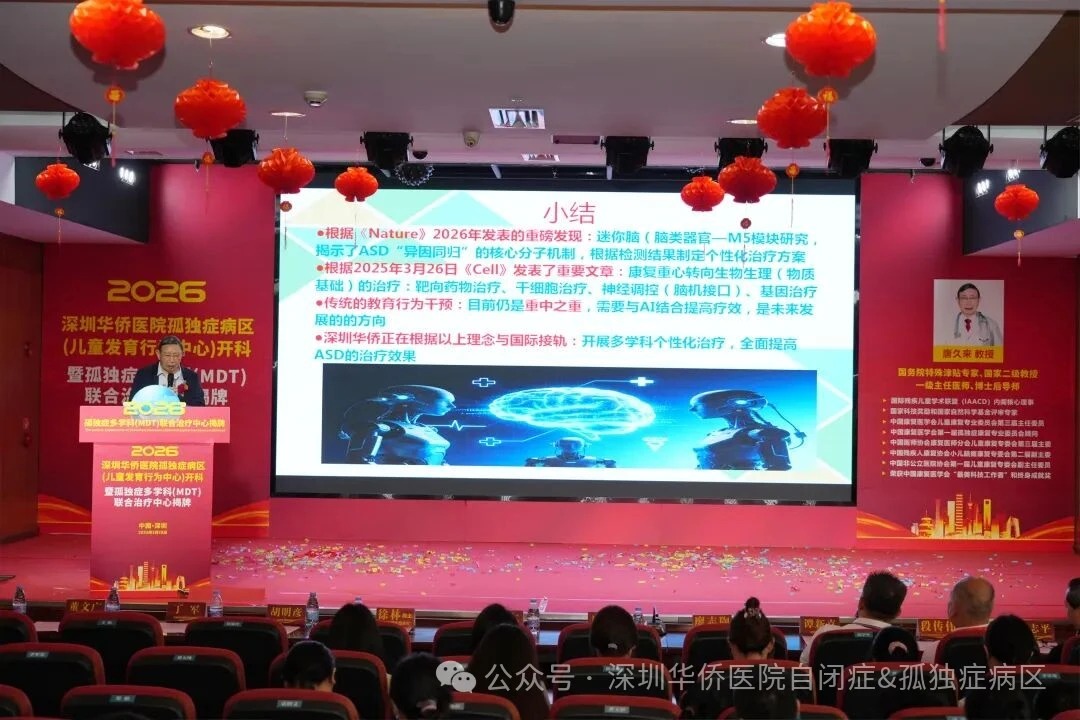

Tang Jiulai, Chair of the Pediatric Rehabilitation Professional Committee of the Chinese Association of Rehabilitation Medicine

The first is precision neuromodulation technology for brain functional circuits. According to Professor Duan Chuanwei, Director of the Autism Treatment Ward at Shenzhen Overseas Chinese Hospital, this technology can, at the individual level, subdivide the brain into 213 functional partitions and create a personalized brain functional circuit atlas. It precisely pinpoints the abnormal brain regions and neural networks associated with social interaction, language, and stereotyped behaviors, enabling “one person, one brain” non-invasive targeted therapy. The second is the latest international comprehensive anesthesia therapy for autism. According to Professor Zhao Zhiping, academic leader of the Shenzhen Overseas Chinese Hospital Autism Anesthesia Therapy Center, this therapy uses multimodal combined intervention to regulate neural circuits, improve cerebral blood supply, and repair functional connectivity. Centering on the core mechanisms of neuroimmune and neurotransmitter dysregulation, it integrates anesthesia techniques, pharmacotherapy, and rehabilitation combining traditional Chinese and Western medicine to enhance core abilities such as social interaction, language, and emotional regulation.
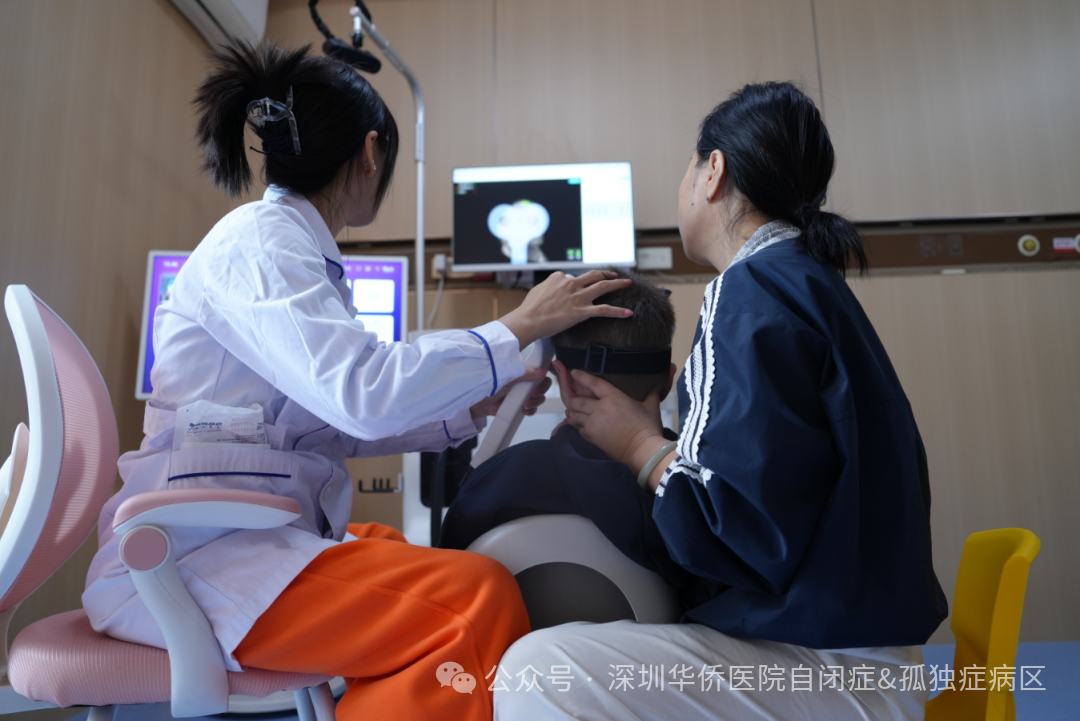
Precision Neuromodulation Technology for Brain Functional Circuits

According to reports, the case of a 5-year-old boy named Xiao Ming (pseudonym) confirmed the effect: he had no effective spontaneous language, poor response to name calling, and little eye contact, accompanied by hyperactivity, emotional irritability, and other stereotyped behaviors. Traditional treatments in multiple places had been ineffective. After 7 days of multidisciplinary, individualized, precision comprehensive treatment at the center, his language and communication improved significantly—from single sounds to actively imitating 3–4 character short sentences. He could express needs such as “I want,” “drink water,” and “watermelon.” His mood became more stable, and his willingness to actively communicate increased. Li Houlin, Director of the Outpatient Department, said that precision brain function analysis combined with multidisciplinary diagnosis and treatment and non-invasive neuromodulation is more precise and effective than traditional rehabilitation, bringing hope to families.
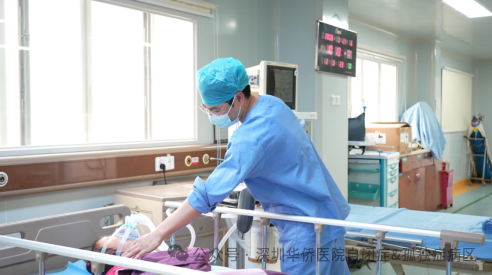
The Latest International Comprehensive Anesthesia Therapy for Autism
Tang Jiulai, Chair of the Pediatric Rehabilitation Professional Committee of the Chinese Association of Rehabilitation Medicine, pointed out that international autism rehabilitation has shifted from psychosocial intervention to treatment targeting the biological substrate. In the future, it will need to rely on biological approaches such as neuromodulation, targeted drugs, and gene therapy, with long-term, systematic, and interdisciplinary investment. The center takes standardized development, standardized diagnosis and treatment, and systematic operation as its core, aiming to build a national benchmark for precision medicine and rehabilitation. At the same time, it will strengthen technology translation, talent cultivation, and academic research, and work with domestic and international institutions to promote the large-scale and accessible application of cutting-edge technologies, helping enhance China’s overall capacity for the diagnosis and treatment of childhood developmental and behavioral disorders.

Media Coverage

当前位置:首页 >> Announcements >> Media Coverage

People's Daily: Autism Diagnosis and Treatment Moves Toward Precision: Multidisciplinary Collaboration Breaks the Traditional Intervention Dilemma
2026-07-25 09:18:21


April 2 marks the 19th World Autism Awareness Day. Currently, China has more than 10 million people with autism, including about 3 million to 5 million patients aged 0–14. For a long time, treatment for this group has faced challenges such as fragmented disciplines, generalized intervention approaches, and a lack of full-cycle services. Traditional behavioral interventions have limited effects, and families are often trapped in the predicament of “difficult diagnosis, difficult intervention, and poor outcomes.”

China’s First Multidisciplinary Combined Treatment Center for Autism Unveiled

Recently, Shenzhen Overseas Chinese Hospital unveiled China’s first multidisciplinary combined treatment center for autism and simultaneously opened Shenzhen’s first autism ward (Child Developmental Behavioral Center), exploring a breakthrough through precision diagnosis and treatment. Targeting the core molecular mechanism of autism whereby “different causes converge into the same outcome,” the center has shifted toward biophysiological treatment, covering targeted drugs, stem cell therapy, neuromodulation, and gene therapy. It implements an individualized “testing before treatment” approach, with two internationally cutting-edge technologies at its core.


Tang Jiulai, Chair of the Pediatric Rehabilitation Professional Committee of the Chinese Association of Rehabilitation Medicine

The first is precision neuromodulation technology for brain functional circuits. According to Professor Duan Chuanwei, Director of the Autism Treatment Ward at Shenzhen Overseas Chinese Hospital, this technology can, at the individual level, subdivide the brain into 213 functional partitions and create a personalized brain functional circuit atlas. It precisely pinpoints the abnormal brain regions and neural networks associated with social interaction, language, and stereotyped behaviors, enabling “one person, one brain” non-invasive targeted therapy. The second is the latest international comprehensive anesthesia therapy for autism. According to Professor Zhao Zhiping, academic leader of the Shenzhen Overseas Chinese Hospital Autism Anesthesia Therapy Center, this therapy uses multimodal combined intervention to regulate neural circuits, improve cerebral blood supply, and repair functional connectivity. Centering on the core mechanisms of neuroimmune and neurotransmitter dysregulation, it integrates anesthesia techniques, pharmacotherapy, and rehabilitation combining traditional Chinese and Western medicine to enhance core abilities such as social interaction, language, and emotional regulation.

Precision Neuromodulation Technology for Brain Functional Circuits

According to reports, the case of a 5-year-old boy named Xiao Ming (pseudonym) confirmed the effect: he had no effective spontaneous language, poor response to name calling, and little eye contact, accompanied by hyperactivity, emotional irritability, and other stereotyped behaviors. Traditional treatments in multiple places had been ineffective. After 7 days of multidisciplinary, individualized, precision comprehensive treatment at the center, his language and communication improved significantly—from single sounds to actively imitating 3–4 character short sentences. He could express needs such as “I want,” “drink water,” and “watermelon.” His mood became more stable, and his willingness to actively communicate increased. Li Houlin, Director of the Outpatient Department, said that precision brain function analysis combined with multidisciplinary diagnosis and treatment and non-invasive neuromodulation is more precise and effective than traditional rehabilitation, bringing hope to families.

The Latest International Comprehensive Anesthesia Therapy for Autism
Tang Jiulai, Chair of the Pediatric Rehabilitation Professional Committee of the Chinese Association of Rehabilitation Medicine, pointed out that international autism rehabilitation has shifted from psychosocial intervention to treatment targeting the biological substrate. In the future, it will need to rely on biological approaches such as neuromodulation, targeted drugs, and gene therapy, with long-term, systematic, and interdisciplinary investment. The center takes standardized development, standardized diagnosis and treatment, and systematic operation as its core, aiming to build a national benchmark for precision medicine and rehabilitation. At the same time, it will strengthen technology translation, talent cultivation, and academic research, and work with domestic and international institutions to promote the large-scale and accessible application of cutting-edge technologies, helping enhance China’s overall capacity for the diagnosis and treatment of childhood developmental and behavioral disorders.