当前位置:首页 >> Health Information

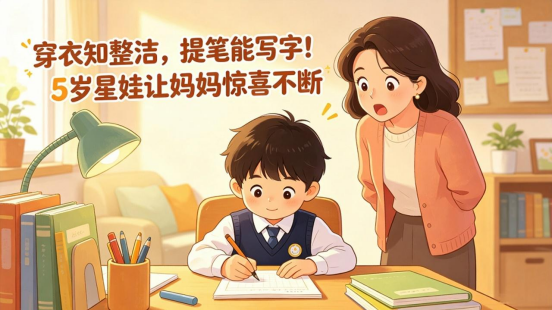
Dresses neatly and can write with a pen! The 5-year-old child with autism keeps bringing his mother one pleasant surprise after another
2026-07-29 14:52:55
Xiaohao (pseudonym), a 5-year-old, is a child with autism and comorbid attention-deficit/hyperactivity disorder (ADHD). Over four years, his mother took him to multiple hospitals for traditional rehabilitation interventions. Although he showed slight improvement, he remained trapped in cognitive d...

Xiaohao (pseudonym), a 5-year-old, is a child with autism and comorbid attention-deficit/hyperactivity disorder (ADHD). Over four years, his mother took him to multiple hospitals for traditional rehabilitation interventions. Although he showed slight improvement, he remained trapped in cognitive delays, hyperactivity and irritability, social isolation, and impaired fine motor skills: he dressed carelessly and did not keep himself neat, had a weak grip on a pen and could not write, responded slowly when his name was called, and his temper flared at the slightest trigger.

Then his mother brought him to the Autism MDT Multidisciplinary Joint Diagnosis and Treatment Center at Shenzhen Overseas Chinese Hospital. There, with the support of non-invasive brain-computer interface (BCI)-based precise neuromodulation technology innovatively developed by the University of Electronic Science and Technology of China, he received systematic, individualized comprehensive treatment. In just a short treatment course, he made visible progress: he began to tidy his clothes on his own initiative, write Chinese characters independently, actively greet others, and showed significantly improved emotional stability. From shutting himself off to actively expressing himself, from being unable to manage daily life to independently caring for himself, the transformation of this child with autism has illuminated a new path to recovery for countless families affected by autism.

Four years on the rehabilitation journey brought little progress
the mother of a child with autism is left at a loss.


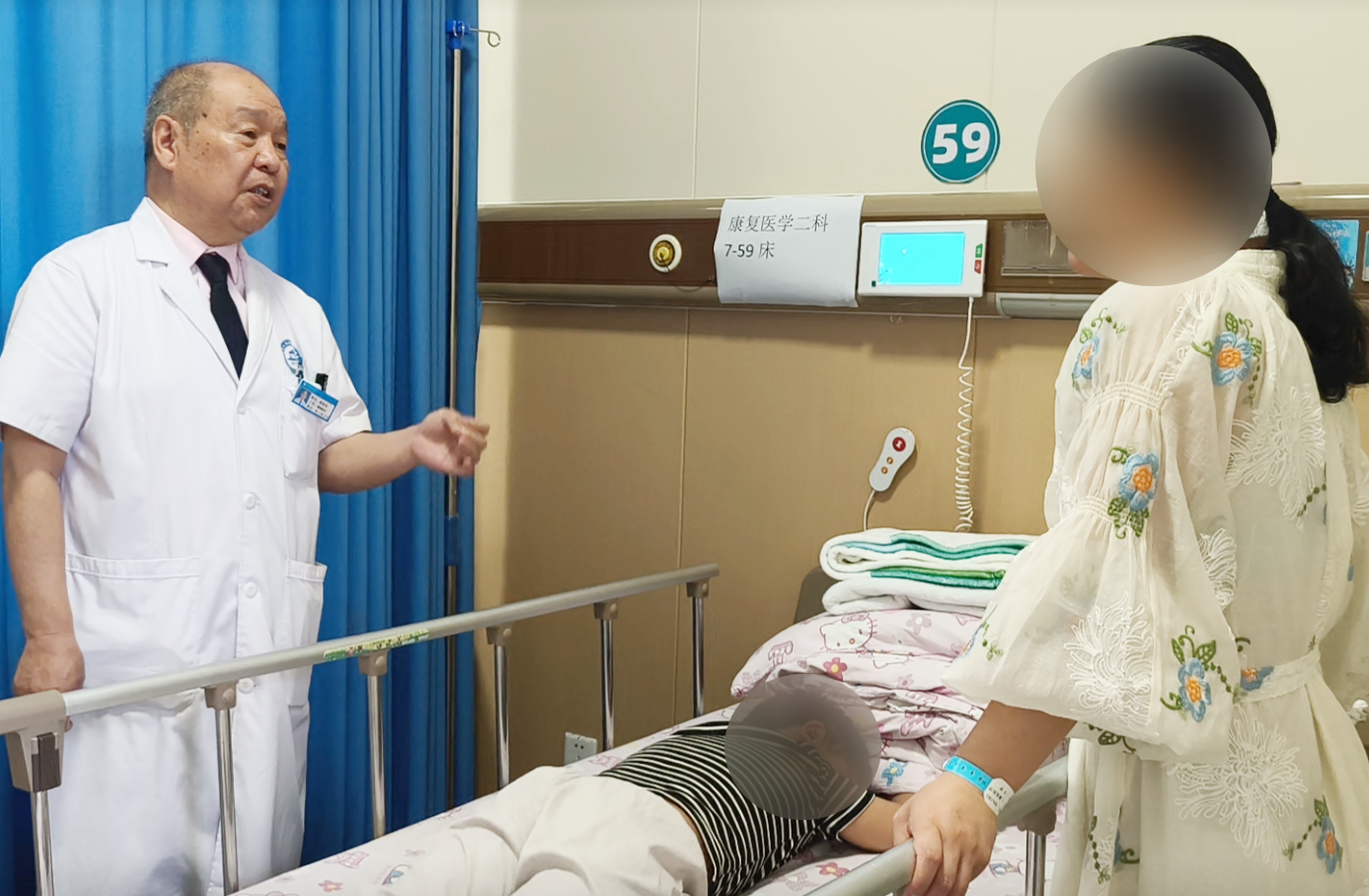
Xiaohao’s mother, who lives in Shenzhen, has long since lost count of how many rehabilitation centers and hospitals she has taken her child to. The child began to show developmental abnormalities at age 1 and was diagnosed with childhood autism and speech and language developmental disorder, along with comorbidities such as hyperactivity, irritability, and poor attention. Early after diagnosis, the family took him to rehabilitation institutions for long-term rehabilitation intervention and persisted with sensory integration and speech training at home, but progress was always slow.

“In the past, we only did single behavioral rehabilitation. After training for several years, it still treated the symptoms but not the root cause,” Xiaohao’s mother said with much bitterness about the past. “He couldn’t keep up with his peers cognitively. His fine motor skills were so poor that he couldn’t hold a pen at all. After putting on his pants, he never tidied himself up. When out, he didn’t like to look at people. When he wanted something, he would only cry, throw tantrums, and hit. He couldn’t stop being hyperactive. It was hard for him to learn anything taught; he could absorb only a little of what he was actively interested in.”

Traditional rehabilitation mainly relies on behavioral training, which can only correct external behavior and cannot repair the core damaged brain neural circuits in autism, so long-term intervention reaches a bottleneck. His mother admitted that she had always wanted to take a dual-track approach combining medical intervention and rehabilitation training to achieve a 1+1>2 rehabilitation effect. After making inquiries in many ways, she learned that Shenzhen Overseas Chinese Hospital had introduced non-invasive brain-computer interface precise neuromodulation technology developed by the University of Electronic Science and Technology of China and implemented a multidisciplinary MDT integrated diagnosis and treatment model, helping children with autism who respond poorly to traditional rehabilitation receive precise treatment. Xiaohao’s mother immediately brought her child to the hospital for treatment.

After admission, doctors found that the child had core problems including poor eye contact, weak social motivation, easy irritability, insufficient self-care ability, fair gross motor skills, and severely delayed fine motor and imitation abilities. Li Houlin, Director of the Outpatient Department of the Multidisciplinary Joint Treatment Center in the Autism (Autism Spectrum Disorder) Ward of Shenzhen Overseas Chinese Hospital, immediately initiated a multidisciplinary expert joint consultation to comprehensively assess brain neural function, developmental level, and emotional and behavioral status.


Visible and continuous transformation
From struggling with self-care to actively socializing, with one pleasant surprise after another


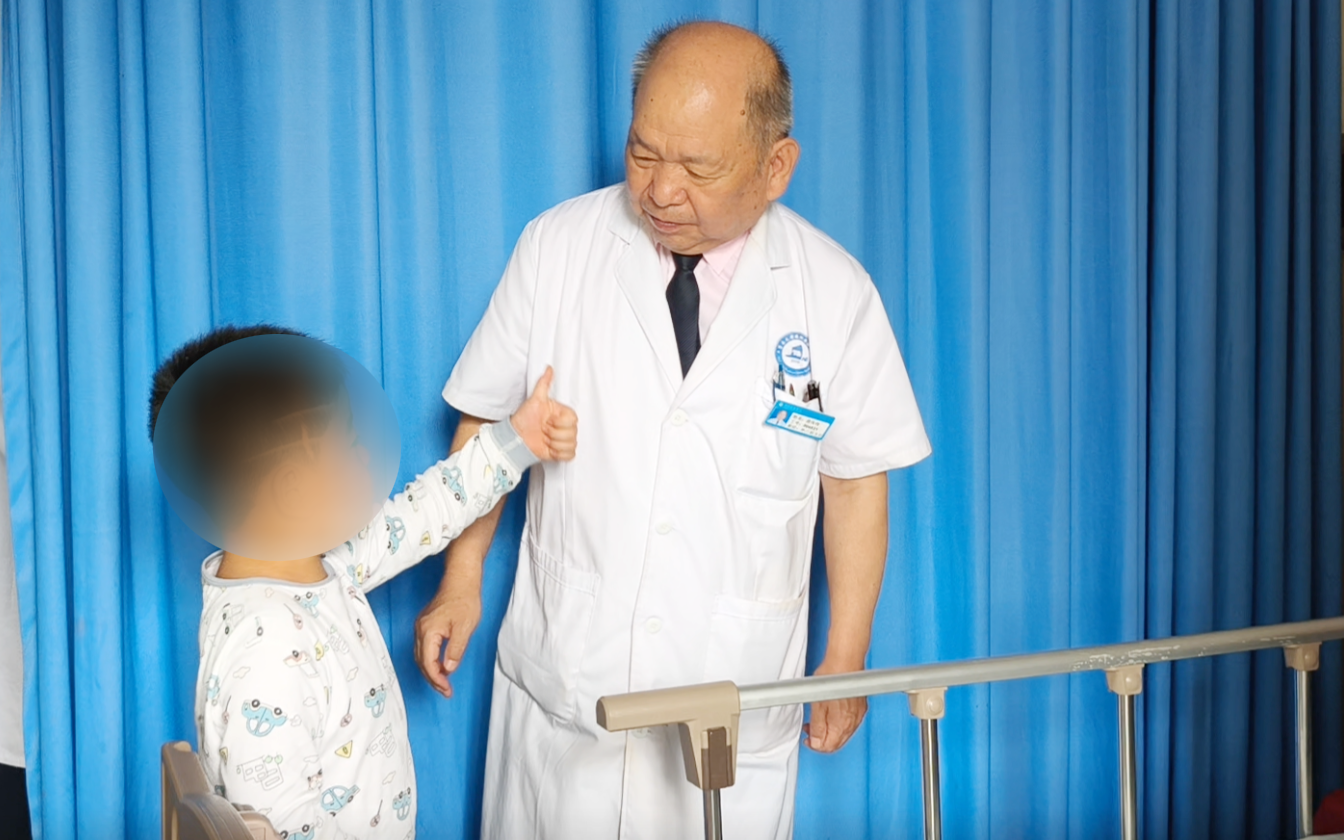
The Autism Joint Treatment Center of Shenzhen Overseas Chinese Hospital adopts MDT multidisciplinary integrated diagnosis and treatment, pools the strength of a multidisciplinary expert team, abandons the single rehabilitation model, and has formulated an individualized treatment plan of non-invasive brain-computer interface precise neuromodulation for Xiaohao.

After staged standardized treatment, changes in Xiaohao occurred every day. The medical staff and his mother witnessed the child's successive breakthroughs throughout the entire process:


1. Self-care:
He knows to dress neatly and keep himself tidy, and his fine motor skills have improved significantly.

Before treatment, Xiaohao would just pull his pants on haphazardly; even after repeated instruction, he would not straighten them. By the middle stage of the treatment course, without reminders from his parents, he would actively pull and adjust his pants after putting them on himself—his self-awareness and self-care ability had clearly awakened.

His fine motor skills improved substantially: he used to be unable to grip a pen and could not write at all; now he can independently write two Chinese characters. His writing accuracy and hand coordination continue to improve, and the smoothness of his craftwork and grasping movements has improved significantly.


2. Language and Social Skills:
He takes the initiative to greet others, and effective communication has increased significantly.
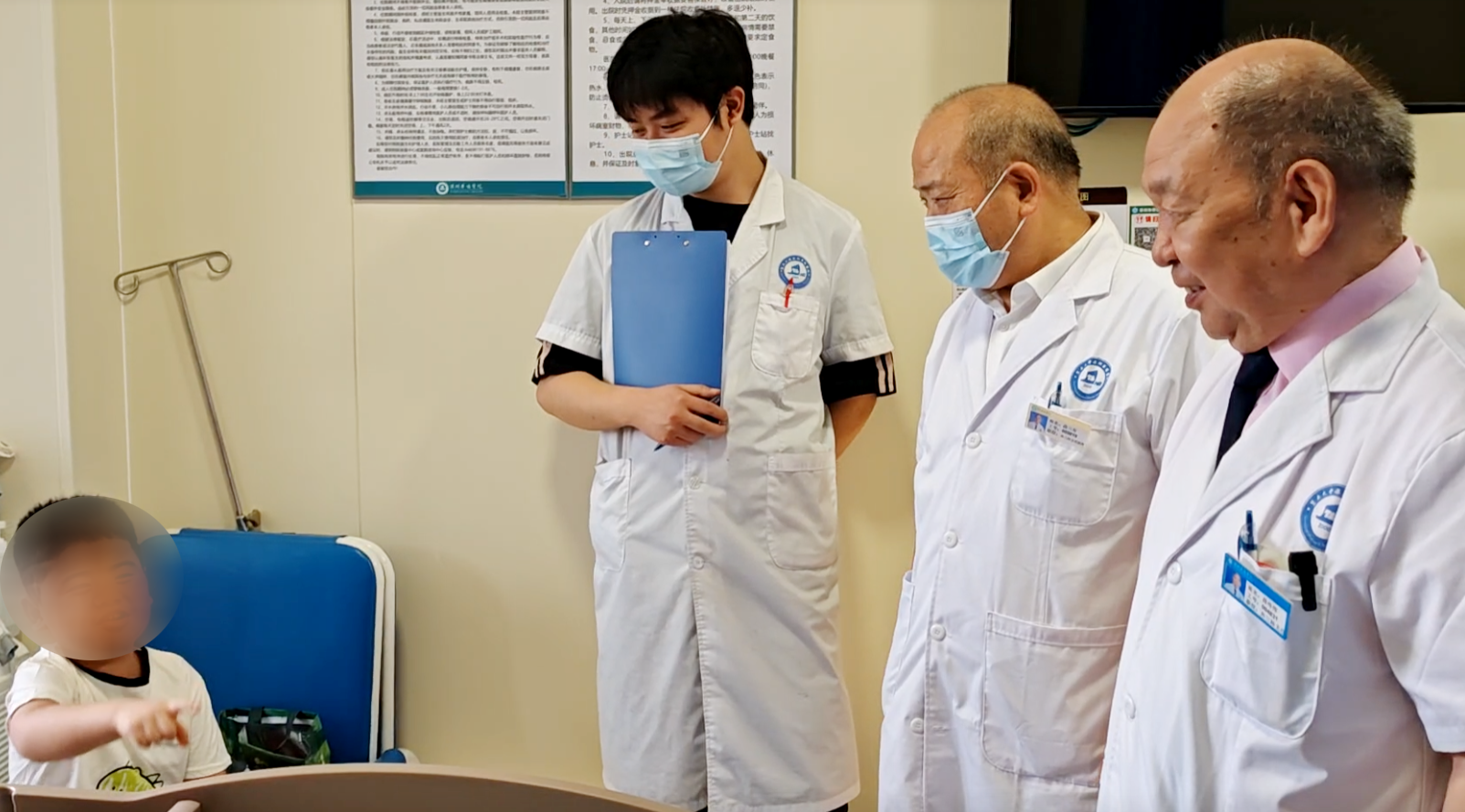
When he was first admitted, spontaneous language was scarce, and most of his speech was passive echolalia. After treatment, when he sees doctors, he actively calls out “Grandpa” and “Doctor Sister,” waves goodbye on his own initiative, is willing to share toys and initiate interactions, and no longer resists interacting with others.

His speech clarity, speaking rate, and willingness to express himself improved across the board. He can respond to questions in full and actively express his needs, rather than only crying and throwing tantrums to vent. He has a strong desire to interact with others, has gone from avoiding eye contact to actively making eye contact, and his social skills have steadily improved.


3. Emotional and Behavioral:
Hyperactivity is reduced, and the excitation-inhibition balance gradually improves.
At admission, he was hyperactive and unable to stay still, prone to screaming and losing his temper, and would have an emotional breakdown at the slightest stimulation. After treatment, the frequency of agitation decreased, his excitability became more stable, and impulsive hitting and throwing objects were significantly reduced.

Professor Duan Chuanwei explained: “Non-invasive brain-computer interface neuromodulation regulates the excitation/inhibition balance of the brain’s neural circuits, so the child’s emotional regulation ability naturally improves. His stereotyped behaviors and hyperactive manifestations will continue to improve further.”


4. Cognitive Response:
Faster comprehension and stronger independent learning ability.

He responds quickly when his name is called, understands simple instructions immediately, and his cognitive comprehension has caught up to the basic level of children of the same age. Compared with the past, when passive instruction was hard for him to absorb, he now has a strong willingness to learn independently, can quickly master things he is interested in, and his attention and reaction speed have improved at the same time.

During ward rounds, the doctor encouraged Xiaohao: “You’ve made such great progress. Later we’ll give you a Best Progress Award!” The child immediately responded loudly, “I want it!” His clear and confident expression made his mother smile with relief.

“In the past, I never dared imagine that he could greet others on his own, tidy his clothes himself, or pick up a pen to write. These small changes are all huge surprises for us,” Xiaohao’s mother said joyfully. “Now the child’s emotions are much more stable, and there are new changes every day. We have finally seen hope for recovery.”


Cutting-edge advanced technology is now applied in clinical practice
repairing damaged neural networks at the root


Many parents wonder: Compared with traditional transcranial magnetic stimulation (TMS) and ordinary rehabilitation, what exactly is different about non-invasive brain-computer interface precision neuromodulation?

This technology is the fruit of more than 20 years of scientific research by a team of top scientists in the global top 2%. It is a core translational achievement of the major project “China Brain Project.” It is China’s first non-implantable wireless brain function assessment system and autism precision neuromodulation system approved by the NMPA. As a breakthrough achievement in the field of autism neuromodulation in China, it has completely broken the “one-size-fits-all” rough intervention model.

01 Underlying Technical Principles:
Repairing the Brain’s Imbalanced Neural Circuits

Medical research has confirmed that the core root of autism is abnormal development of neural circuits related to social interaction, language, and emotional regulation in the brain, and an imbalance between neuronal excitation and inhibition, which obstructs information transmission. It is not that the child is unwilling to communicate, but that the brain’s “pathway is disconnected.”

Traditional rehabilitation only trains external behavior and cannot change the underlying neural deficits in the brain. In contrast, non-invasive brain-computer interface technology starts from the root to repair them. The complete treatment process mainly consists of four steps:

① Professional assessment: Experts in rehabilitation medicine lead a joint consultation to confirm whether the child meets the indications for cTBS.

② Brain functional imaging: Through high-definition functional magnetic resonance imaging, a child-specific “digital brain map” is drawn, and the damaged targets for language, social interaction, and fine motor skills are localized at the millimeter level.

③ Formulate an individualized plan: Based on the imaging data, precisely distinguish each child’s individual lesions and formulate a “one person, one target” plan for each child.

④ Precise non-invasive neuromodulation: Without surgery or invasive stimulation, it delivers targeted stimulation to damaged brain regions, repairs broken neural connections, balances the brain’s excitation-inhibition state, and physiologically improves core symptoms such as hyperactivity, language delay, social indifference, and poor fine motor skills.

02 Target Population and Core Advantages

① Completely non-invasive and safe: no anesthesia, no wound, and no pain; even young children can tolerate it. For children with severe hyperactivity, irritability, and extremely poor cooperation, it can be combined with anesthesia-assisted comprehensive therapy delivered simultaneously to enhance the intervention effect.

② Individualized precision intervention: Unlike ordinary neurostimulation with fixed targets, it provides one brain map and one intervention plan per person, precisely matching complex autism patients like Xiaohao who also have hyperactivity and fine motor impairment.

③ Shorter rehabilitation cycle: It first repairs the brain’s neural foundation, then combines with behavioral, sensory integration, and speech training, greatly improving training efficiency and addressing the pain points of traditional rehabilitation, such as slow results and stalled progress.

④ Solid scientific research backing: It is a core translational achievement of the major “China Brain Project” and the crystallization of scientific research by top teams in neuroscience, artificial intelligence, and clinical medicine, including Professor Xu Peng and Professor Duan Xujun of the University of Electronic Science and Technology of China. The technology has been verified through numerous clinical trials and has been used to treat more than 3,000 children with autism from China, Sweden, Japan, and Russia. Its treatment response rate in improving core symptoms such as social interaction, language, and behavior exceeds 80%. In 2025, it was published in the internationally renowned journal *Biological Psychiatry*, setting an important benchmark for the precision and clinical implementation of non-invasive neuromodulation for autism.

International cutting-edge technology + authoritative experts bring new hope to families of children with autism.

As China’s first multidisciplinary joint treatment center for autism, Shenzhen Overseas Chinese Hospital is led by Professor Tang Jiulai, a leading authority in Chinese pediatrics and an internationally renowned autism expert. It brings together a multidisciplinary expert team spanning rehabilitation medicine, anesthesiology, neurology, traditional Chinese medicine, pediatrics, and other fields. It has created a full-cycle autism diagnosis and treatment system covering “screening – precise brain assessment – personalized precision treatment – long-term family guidance.” Relying on internationally cutting-edge core technologies, it has formed dual engines for diagnosis and treatment, helping children with autism break through the bottleneck of traditional rehabilitation.

Precise neuromodulation technology for brain functional circuits: This technology is the crystallization of more than 20 years of scientific research by a team of top scientists in the global top 2%. It is a core translational achievement of the major “China Brain Project.” It is China’s first NMPA-approved non-implantable wireless brain function assessment system and autism precision neuromodulation system. It bids farewell to “cast-a-net” stimulation and draws a dedicated brain functional circuit map for each child, precisely locating abnormal brain neural networks to achieve non-invasive, individualized, target-specific precision intervention. It repairs imbalanced brain function at the root and significantly improves core autism symptoms such as cognition, language, and emotion.


Comprehensive anesthesia therapy for autism: As a major achievement of a project funded by the National Natural Science Foundation of China, this technology uses an intervention protocol based on low-concentration sevoflurane inhalation and combines stellate ganglion block, neuromodulation techniques, behavioral rehabilitation training, and distinctive traditional Chinese medicine therapies to build a multimodal comprehensive treatment system. Its core objective is to regulate the excitation/inhibition balance of brain neural circuits, maximize the improvement of children’s core functions (such as social interaction, language, and behavioral control), alleviate comorbid symptoms (such as anxiety and sleep disorders), and improve their quality of life and social adaptability.


At Shenzhen Overseas Chinese Hospital, Xiaohao is far from the only child who has achieved multiple improvements in behavior, language, cognition, and emotion. The hospital continues to use multidisciplinary, individualized, and precise diagnosis and treatment plans to help ease the heavy burden of round-the-clock care on families affected by autism, enable more children with autism to break free from behavioral constraints and grow steadily, and light up hope for recovery for countless families trapped in difficult circumstances.❤️
Health Information

当前位置:首页 >> Health Information
Dresses neatly and can write with a pen! The 5-year-old child with autism keeps bringing his mother one pleasant surprise after another
2026-07-29 14:52:55

Xiaohao (pseudonym), a 5-year-old, is a child with autism and comorbid attention-deficit/hyperactivity disorder (ADHD). Over four years, his mother took him to multiple hospitals for traditional rehabilitation interventions. Although he showed slight improvement, he remained trapped in cognitive delays, hyperactivity and irritability, social isolation, and impaired fine motor skills: he dressed carelessly and did not keep himself neat, had a weak grip on a pen and could not write, responded slowly when his name was called, and his temper flared at the slightest trigger.

Then his mother brought him to the Autism MDT Multidisciplinary Joint Diagnosis and Treatment Center at Shenzhen Overseas Chinese Hospital. There, with the support of non-invasive brain-computer interface (BCI)-based precise neuromodulation technology innovatively developed by the University of Electronic Science and Technology of China, he received systematic, individualized comprehensive treatment. In just a short treatment course, he made visible progress: he began to tidy his clothes on his own initiative, write Chinese characters independently, actively greet others, and showed significantly improved emotional stability. From shutting himself off to actively expressing himself, from being unable to manage daily life to independently caring for himself, the transformation of this child with autism has illuminated a new path to recovery for countless families affected by autism.

Four years on the rehabilitation journey brought little progress
the mother of a child with autism is left at a loss.


Xiaohao’s mother, who lives in Shenzhen, has long since lost count of how many rehabilitation centers and hospitals she has taken her child to. The child began to show developmental abnormalities at age 1 and was diagnosed with childhood autism and speech and language developmental disorder, along with comorbidities such as hyperactivity, irritability, and poor attention. Early after diagnosis, the family took him to rehabilitation institutions for long-term rehabilitation intervention and persisted with sensory integration and speech training at home, but progress was always slow.

“In the past, we only did single behavioral rehabilitation. After training for several years, it still treated the symptoms but not the root cause,” Xiaohao’s mother said with much bitterness about the past. “He couldn’t keep up with his peers cognitively. His fine motor skills were so poor that he couldn’t hold a pen at all. After putting on his pants, he never tidied himself up. When out, he didn’t like to look at people. When he wanted something, he would only cry, throw tantrums, and hit. He couldn’t stop being hyperactive. It was hard for him to learn anything taught; he could absorb only a little of what he was actively interested in.”

Traditional rehabilitation mainly relies on behavioral training, which can only correct external behavior and cannot repair the core damaged brain neural circuits in autism, so long-term intervention reaches a bottleneck. His mother admitted that she had always wanted to take a dual-track approach combining medical intervention and rehabilitation training to achieve a 1+1>2 rehabilitation effect. After making inquiries in many ways, she learned that Shenzhen Overseas Chinese Hospital had introduced non-invasive brain-computer interface precise neuromodulation technology developed by the University of Electronic Science and Technology of China and implemented a multidisciplinary MDT integrated diagnosis and treatment model, helping children with autism who respond poorly to traditional rehabilitation receive precise treatment. Xiaohao’s mother immediately brought her child to the hospital for treatment.

After admission, doctors found that the child had core problems including poor eye contact, weak social motivation, easy irritability, insufficient self-care ability, fair gross motor skills, and severely delayed fine motor and imitation abilities. Li Houlin, Director of the Outpatient Department of the Multidisciplinary Joint Treatment Center in the Autism (Autism Spectrum Disorder) Ward of Shenzhen Overseas Chinese Hospital, immediately initiated a multidisciplinary expert joint consultation to comprehensively assess brain neural function, developmental level, and emotional and behavioral status.


Visible and continuous transformation
From struggling with self-care to actively socializing, with one pleasant surprise after another


The Autism Joint Treatment Center of Shenzhen Overseas Chinese Hospital adopts MDT multidisciplinary integrated diagnosis and treatment, pools the strength of a multidisciplinary expert team, abandons the single rehabilitation model, and has formulated an individualized treatment plan of non-invasive brain-computer interface precise neuromodulation for Xiaohao.

After staged standardized treatment, changes in Xiaohao occurred every day. The medical staff and his mother witnessed the child's successive breakthroughs throughout the entire process:


1. Self-care:
He knows to dress neatly and keep himself tidy, and his fine motor skills have improved significantly.

Before treatment, Xiaohao would just pull his pants on haphazardly; even after repeated instruction, he would not straighten them. By the middle stage of the treatment course, without reminders from his parents, he would actively pull and adjust his pants after putting them on himself—his self-awareness and self-care ability had clearly awakened.

His fine motor skills improved substantially: he used to be unable to grip a pen and could not write at all; now he can independently write two Chinese characters. His writing accuracy and hand coordination continue to improve, and the smoothness of his craftwork and grasping movements has improved significantly.


2. Language and Social Skills:
He takes the initiative to greet others, and effective communication has increased significantly.
When he was first admitted, spontaneous language was scarce, and most of his speech was passive echolalia. After treatment, when he sees doctors, he actively calls out “Grandpa” and “Doctor Sister,” waves goodbye on his own initiative, is willing to share toys and initiate interactions, and no longer resists interacting with others.

His speech clarity, speaking rate, and willingness to express himself improved across the board. He can respond to questions in full and actively express his needs, rather than only crying and throwing tantrums to vent. He has a strong desire to interact with others, has gone from avoiding eye contact to actively making eye contact, and his social skills have steadily improved.

3. Emotional and Behavioral:
Hyperactivity is reduced, and the excitation-inhibition balance gradually improves.
At admission, he was hyperactive and unable to stay still, prone to screaming and losing his temper, and would have an emotional breakdown at the slightest stimulation. After treatment, the frequency of agitation decreased, his excitability became more stable, and impulsive hitting and throwing objects were significantly reduced.

Professor Duan Chuanwei explained: “Non-invasive brain-computer interface neuromodulation regulates the excitation/inhibition balance of the brain’s neural circuits, so the child’s emotional regulation ability naturally improves. His stereotyped behaviors and hyperactive manifestations will continue to improve further.”


4. Cognitive Response:
Faster comprehension and stronger independent learning ability.

He responds quickly when his name is called, understands simple instructions immediately, and his cognitive comprehension has caught up to the basic level of children of the same age. Compared with the past, when passive instruction was hard for him to absorb, he now has a strong willingness to learn independently, can quickly master things he is interested in, and his attention and reaction speed have improved at the same time.

During ward rounds, the doctor encouraged Xiaohao: “You’ve made such great progress. Later we’ll give you a Best Progress Award!” The child immediately responded loudly, “I want it!” His clear and confident expression made his mother smile with relief.

“In the past, I never dared imagine that he could greet others on his own, tidy his clothes himself, or pick up a pen to write. These small changes are all huge surprises for us,” Xiaohao’s mother said joyfully. “Now the child’s emotions are much more stable, and there are new changes every day. We have finally seen hope for recovery.”


Cutting-edge advanced technology is now applied in clinical practice
repairing damaged neural networks at the root
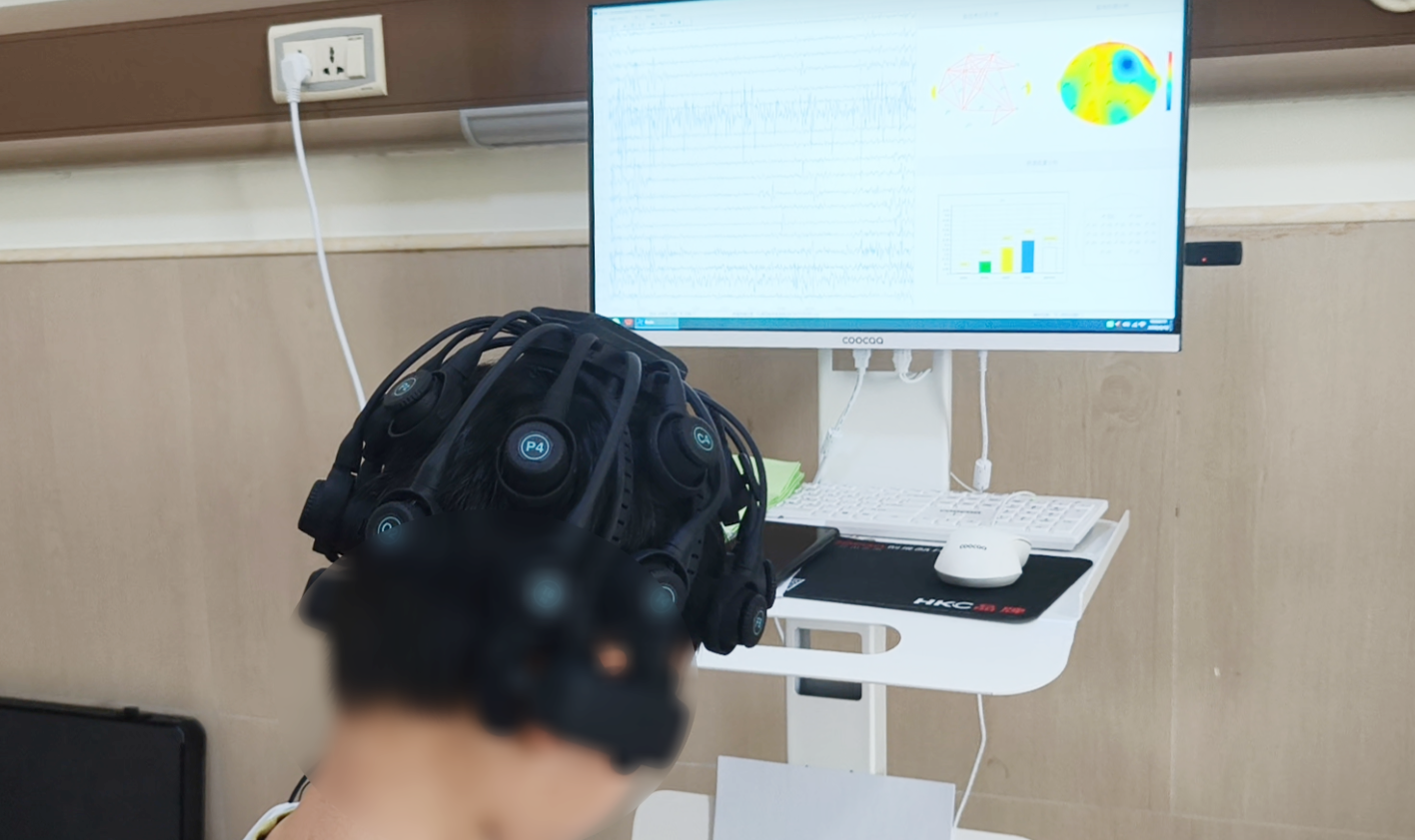


Many parents wonder: Compared with traditional transcranial magnetic stimulation (TMS) and ordinary rehabilitation, what exactly is different about non-invasive brain-computer interface precision neuromodulation?

This technology is the fruit of more than 20 years of scientific research by a team of top scientists in the global top 2%. It is a core translational achievement of the major project “China Brain Project.” It is China’s first non-implantable wireless brain function assessment system and autism precision neuromodulation system approved by the NMPA. As a breakthrough achievement in the field of autism neuromodulation in China, it has completely broken the “one-size-fits-all” rough intervention model.

01 Underlying Technical Principles:
Repairing the Brain’s Imbalanced Neural Circuits

Medical research has confirmed that the core root of autism is abnormal development of neural circuits related to social interaction, language, and emotional regulation in the brain, and an imbalance between neuronal excitation and inhibition, which obstructs information transmission. It is not that the child is unwilling to communicate, but that the brain’s “pathway is disconnected.”

Traditional rehabilitation only trains external behavior and cannot change the underlying neural deficits in the brain. In contrast, non-invasive brain-computer interface technology starts from the root to repair them. The complete treatment process mainly consists of four steps:

① Professional assessment: Experts in rehabilitation medicine lead a joint consultation to confirm whether the child meets the indications for cTBS.

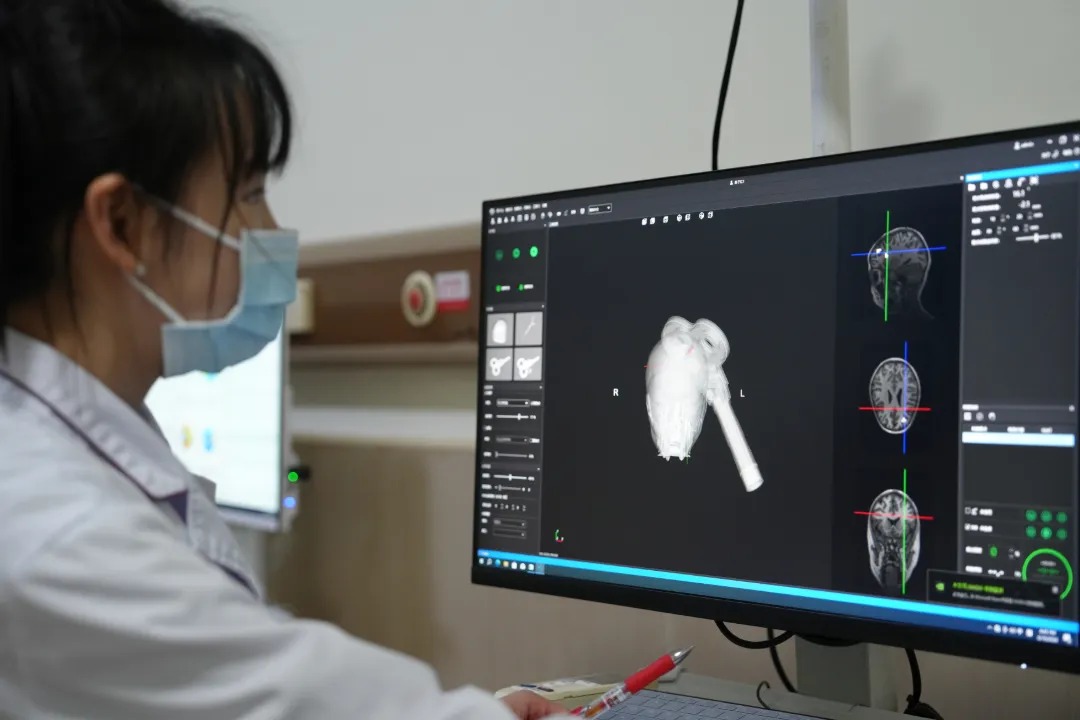
② Brain functional imaging: Through high-definition functional magnetic resonance imaging, a child-specific “digital brain map” is drawn, and the damaged targets for language, social interaction, and fine motor skills are localized at the millimeter level.

③ Formulate an individualized plan: Based on the imaging data, precisely distinguish each child’s individual lesions and formulate a “one person, one target” plan for each child.

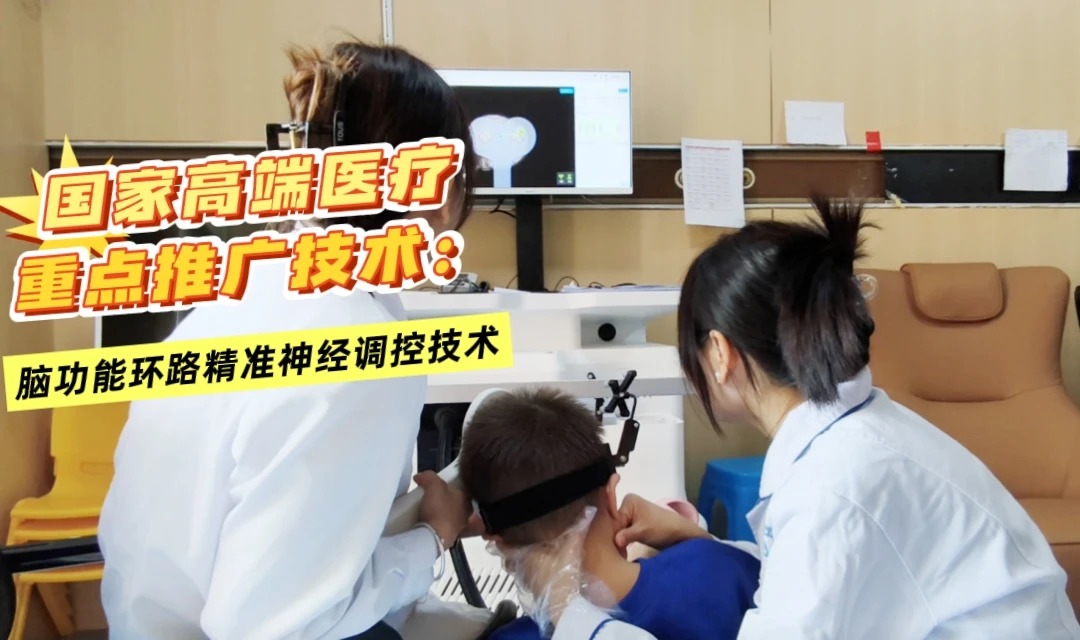
④ Precise non-invasive neuromodulation: Without surgery or invasive stimulation, it delivers targeted stimulation to damaged brain regions, repairs broken neural connections, balances the brain’s excitation-inhibition state, and physiologically improves core symptoms such as hyperactivity, language delay, social indifference, and poor fine motor skills.
02 Target Population and Core Advantages

① Completely non-invasive and safe: no anesthesia, no wound, and no pain; even young children can tolerate it. For children with severe hyperactivity, irritability, and extremely poor cooperation, it can be combined with anesthesia-assisted comprehensive therapy delivered simultaneously to enhance the intervention effect.

② Individualized precision intervention: Unlike ordinary neurostimulation with fixed targets, it provides one brain map and one intervention plan per person, precisely matching complex autism patients like Xiaohao who also have hyperactivity and fine motor impairment.

③ Shorter rehabilitation cycle: It first repairs the brain’s neural foundation, then combines with behavioral, sensory integration, and speech training, greatly improving training efficiency and addressing the pain points of traditional rehabilitation, such as slow results and stalled progress.

④ Solid scientific research backing: It is a core translational achievement of the major “China Brain Project” and the crystallization of scientific research by top teams in neuroscience, artificial intelligence, and clinical medicine, including Professor Xu Peng and Professor Duan Xujun of the University of Electronic Science and Technology of China. The technology has been verified through numerous clinical trials and has been used to treat more than 3,000 children with autism from China, Sweden, Japan, and Russia. Its treatment response rate in improving core symptoms such as social interaction, language, and behavior exceeds 80%. In 2025, it was published in the internationally renowned journal *Biological Psychiatry*, setting an important benchmark for the precision and clinical implementation of non-invasive neuromodulation for autism.

International cutting-edge technology + authoritative experts bring new hope to families of children with autism.

As China’s first multidisciplinary joint treatment center for autism, Shenzhen Overseas Chinese Hospital is led by Professor Tang Jiulai, a leading authority in Chinese pediatrics and an internationally renowned autism expert. It brings together a multidisciplinary expert team spanning rehabilitation medicine, anesthesiology, neurology, traditional Chinese medicine, pediatrics, and other fields. It has created a full-cycle autism diagnosis and treatment system covering “screening – precise brain assessment – personalized precision treatment – long-term family guidance.” Relying on internationally cutting-edge core technologies, it has formed dual engines for diagnosis and treatment, helping children with autism break through the bottleneck of traditional rehabilitation.

Precise neuromodulation technology for brain functional circuits: This technology is the crystallization of more than 20 years of scientific research by a team of top scientists in the global top 2%. It is a core translational achievement of the major “China Brain Project.” It is China’s first NMPA-approved non-implantable wireless brain function assessment system and autism precision neuromodulation system. It bids farewell to “cast-a-net” stimulation and draws a dedicated brain functional circuit map for each child, precisely locating abnormal brain neural networks to achieve non-invasive, individualized, target-specific precision intervention. It repairs imbalanced brain function at the root and significantly improves core autism symptoms such as cognition, language, and emotion.
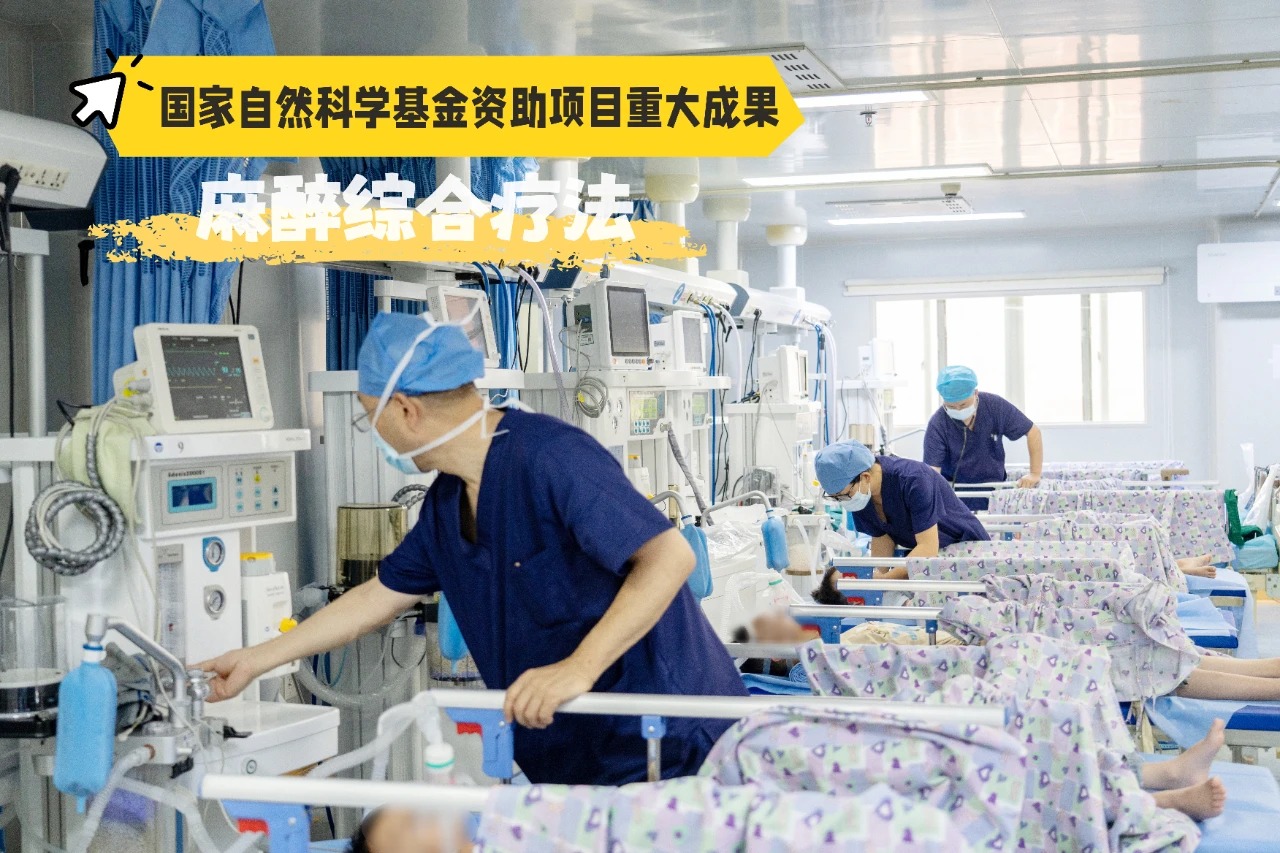

Comprehensive anesthesia therapy for autism: As a major achievement of a project funded by the National Natural Science Foundation of China, this technology uses an intervention protocol based on low-concentration sevoflurane inhalation and combines stellate ganglion block, neuromodulation techniques, behavioral rehabilitation training, and distinctive traditional Chinese medicine therapies to build a multimodal comprehensive treatment system. Its core objective is to regulate the excitation/inhibition balance of brain neural circuits, maximize the improvement of children’s core functions (such as social interaction, language, and behavioral control), alleviate comorbid symptoms (such as anxiety and sleep disorders), and improve their quality of life and social adaptability.


At Shenzhen Overseas Chinese Hospital, Xiaohao is far from the only child who has achieved multiple improvements in behavior, language, cognition, and emotion. The hospital continues to use multidisciplinary, individualized, and precise diagnosis and treatment plans to help ease the heavy burden of round-the-clock care on families affected by autism, enable more children with autism to break free from behavioral constraints and grow steadily, and light up hope for recovery for countless families trapped in difficult circumstances.❤️