当前位置:首页 >> Health Information
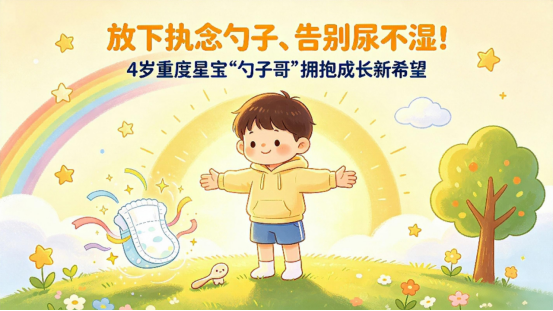
Xiao Yu (pseudonym), a 4-year-old boy, was once known to everyone as “Spoon Boy.” He had severe autism accompanied by stubborn stereotyped behaviors, delayed language and cognitive development, inability to use the toilet independently, and avoidance of social eye contact. After two years of traditional rehabilitation produced little effect, his grandparents brought him, having heard of the hospital’s reputation, to Shenzhen Overseas Chinese Hospital, where he received multidisciplinary comprehensive treatment combining “Comprehensive Anesthesia Therapy + Precision Neuromodulation of Brain Circuits.” After completing one course of treatment, Xiao Yu completely said goodbye to the spoon he never let go of and the diapers he never went without. His self-care, emotions, social interaction, and stereotyped behaviors all improved across the board, showing a remarkable transformation.
Multiple Developmental Challenges Cause Deep Concern
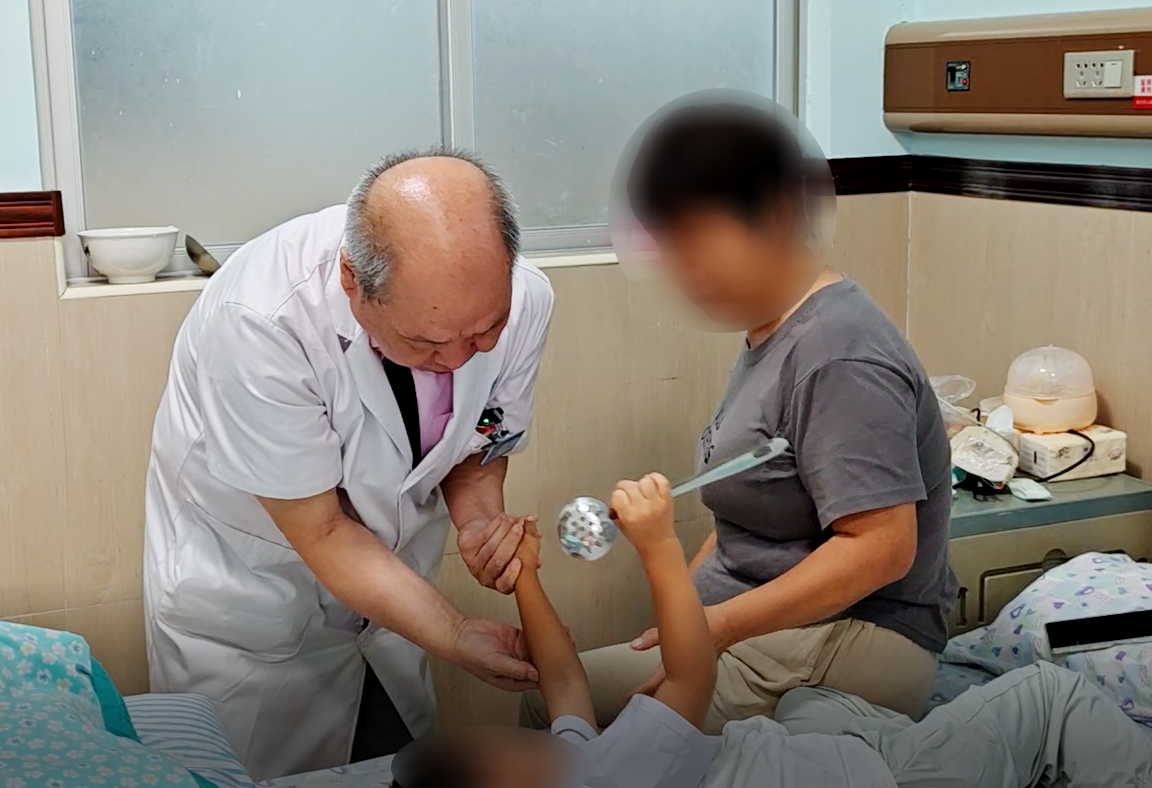
Xiao Yu, a child with severe autism, showed typical autistic symptoms as early as when he was just over 1 year old, along with speech and language developmental disorder and intellectual developmental disorder. When he came to Shenzhen Overseas Chinese Hospital in May 2026, the comprehensive assessment data were concerning: CARS score 41, ABC score 97, and brain attention work capacity close to zero; developmental assessment showed language at only a 9.5-month level, with social interaction and cognition lagging across the board. The imbalance in his brain neural circuits was severe, and his stereotyped behaviors, emotional problems, and social deficits were deeply entrenched.
Before this, his family had taken him to rehabilitation institutions, where he persisted with two years of routine sensory integration, speech, and behavioral training, with very little progress. What troubled the family most was Xiao Yu’s almost obsessive, stereotyped attachment to a spoon, compounded by self-care difficulties such as toileting, which made daily care quite difficult.
“From the time he could remember, he had to clutch a spoon in his hand. The first thing he did when he woke up was look for the spoon. He kept it with him at all times—while eating, going out, and playing. If the spoon was not in his hand, he would immediately break down, cry, and roll on the floor, and nothing could soothe him,” Xiao Yu’s grandmother recalled, full of bitterness. During rehabilitation, Xiao Yu would also clutch the spoon tightly and could not cooperate with training at all. Toileting was even more of a headache: he had no awareness of needing to use the toilet and had to wear diapers all day. No matter how many times they taught him, he could not remember, and if they were even slightly inattentive when out, he would wet his pants.
In addition to these two core problems, all the typical symptoms of Xiao Yu’s autism were prominent: slow response to being called by name, fleeting eye contact that he quickly avoided, and no willingness to initiate social interaction; he could only echo single syllables such as “Dad” and “Mom,” with no spontaneous expression; he was hyperactive, ran around, and could not sit still, and would cry intensely when his needs were not met; his comprehension was weak, he could not understand basic daily instructions, and he had great difficulty perceiving others’ emotions.
After two years of day-after-day traditional rehabilitation with no obvious improvement, the family fell into despair. After making inquiries from many sources, they learned that Shenzhen Overseas Chinese Hospital uses innovative approaches such as internationally cutting-edge Comprehensive Anesthesia Therapy and precision neuromodulation of brain circuits, specifically treating children with moderate-to-severe autism who have reached the bottleneck of traditional rehabilitation. With a glimmer of hope, they brought Xiao Yu to the hospital for treatment.
Achieving Toileting Independence, and Making Simultaneous Breakthroughs in Social and Cognitive Skills
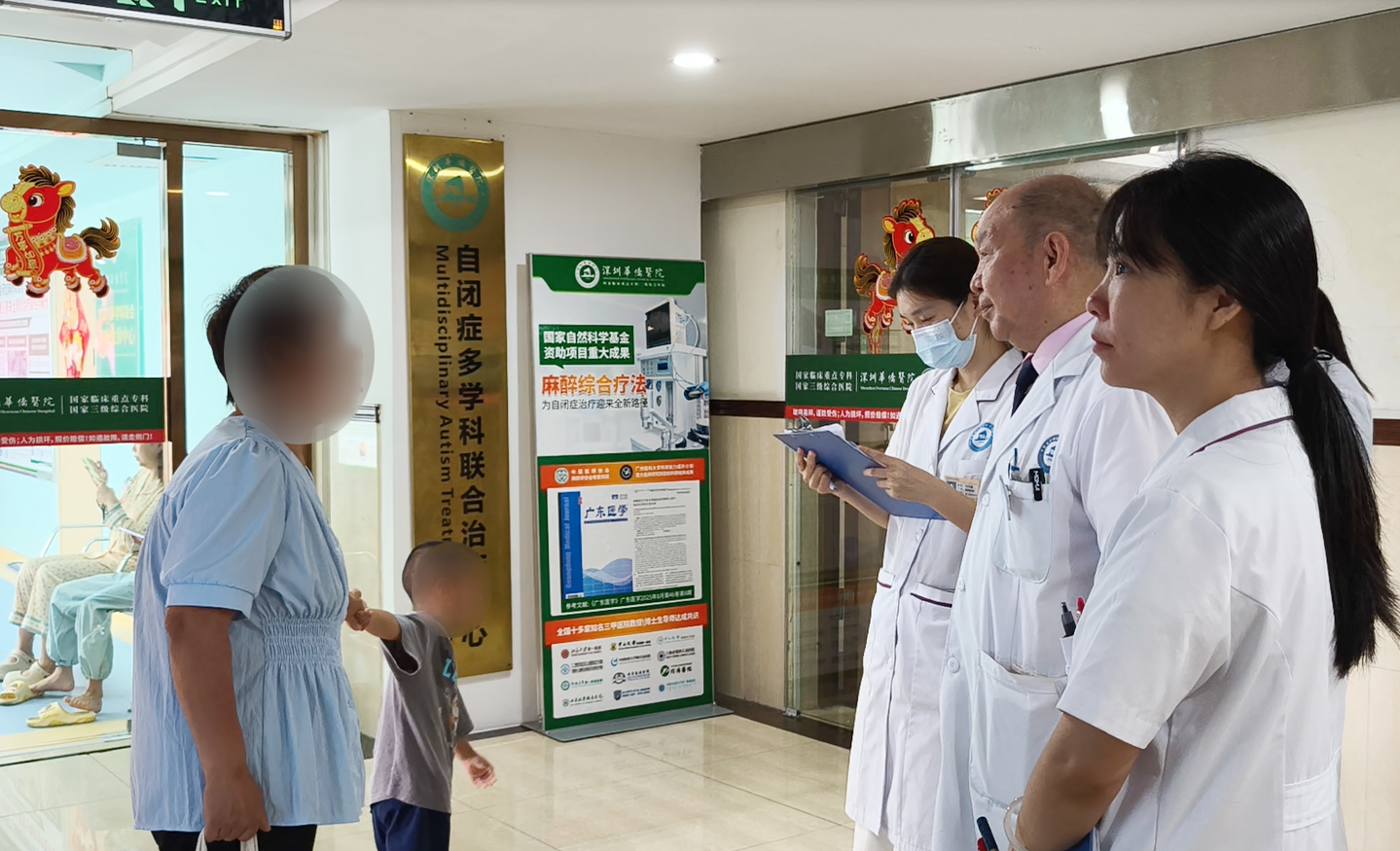
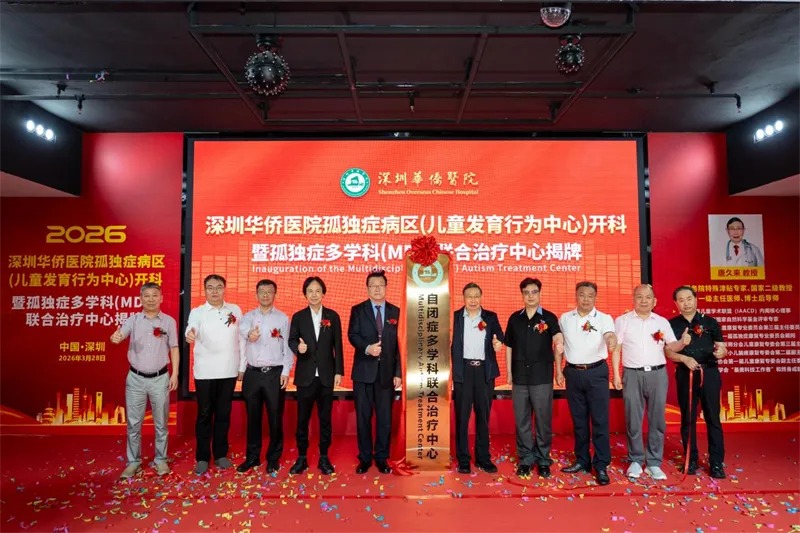
The Autism Combined Treatment Center of Shenzhen Overseas Chinese Hospital adopts MDT multidisciplinary integrated diagnosis and treatment, pooling the strength of a multidisciplinary expert team and abandoning a single-modality rehabilitation model. It formulated for Xiao Yu an individualized multidisciplinary comprehensive treatment plan combining Comprehensive Anesthesia Therapy + Precision Neuromodulation of Brain Circuits. After completing one full course of treatment, Xiao Yu achieved the all-round transformation his family had long awaited:
Easily Letting Go of the Spoon He Always Carried
Xiao Yu’s grandmother still could hardly hide her surprise when she recounted the whole process of breaking the spoon habit: “After the brain circuit neuromodulation combined with anesthesia therapy, Director Shi asked us to try guiding him to put down the spoon. That morning, when we went for rehabilitation training, I softly said to him, ‘Put down the spoon, let’s go to class,’ and he actually let go on his own. After that, when going out to play or eat, as long as I gently reminded him, he would obediently put the spoon down.
His grandmother had originally thought this rigid fixation would be extremely difficult to change, yet it was easily resolved after just one course of treatment, like removing shackles that had bound the child for years. Now, when going out or playing, he no longer needs to clutch a spoon at all times, and clothes-biting and meaningless repetitive movements have also decreased significantly.
Independent Toileting Marks a Leap in Self-Care
His grandmother shared a daily detail: Once, when they were outside, Xiao Yu accidentally wet his pants. She gently told him off a little, and instead of crying and throwing a tantrum as he used to, he just looked at her pitifully, clearly knowing he had done something wrong, and then turned and walked to the toilet by himself. Being able to distinguish right from wrong and use the toilet independently was something they would never have dared to imagine before. His self-care ability had taken a big leap forward.
Social Perception Awakens
“In the first ten-plus days after admission, the first change brought by precision neuromodulation of brain circuits was in his eyes. The brightness and agility of his eyes improved markedly, and the duration of eye contact was greatly extended. When he first arrived, when medical staff waved goodbye to him, he avoided eye contact the entire time; now he can gaze at the other person for a long time, and with guidance, he will even spontaneously give a thumbs-up gesture. He no longer resists basic social interaction. Improvement in eye contact indicates that the brain neural circuits related to social interaction are gradually being repaired. The child’s ability to receive external information has been awakened, and this is the core foundation for continued progress in language and cognition.”
During ward rounds, when medical staff waved goodbye to Xiao Yu, he gazed at them for a long time and cooperated with simple interaction, no longer closed off in his own world.
Hyperactivity, and Comprehension
Xiao Yu, who once broke down crying and ran around everywhere at the slightest frustration, now has a significantly lower frequency of emotional outbursts, and the length of time he can remain seated during training has increased markedly. His hyperactivity and running around have decreased, and he can quietly cooperate with short rehabilitation training sessions. His comprehension has steadily improved: he can understand a large number of basic daily instructions, and when communicating gently with family members, he can grasp the meaning of their words. He no longer completely ignores what others express, paving the way for subsequent advanced language training.
Repairing Damaged Neural Networks at the Root
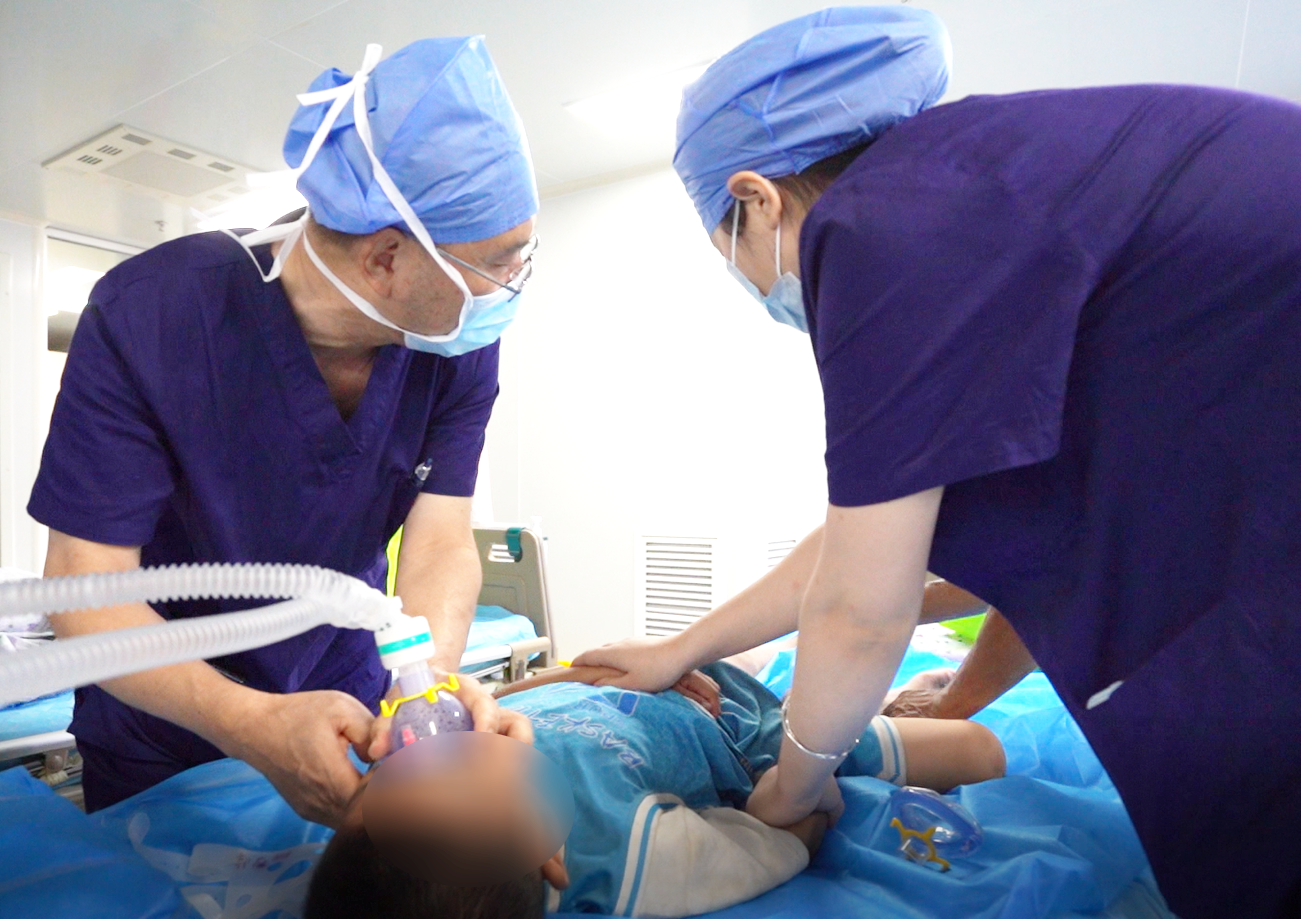
“Many parents worry that anesthesia will damage their child’s brain as soon as they hear the word. This light sedation intervention is completely different from general anesthesia for surgery. We use extremely low-concentration sedatives, at doses far lower than those used in surgical anesthesia. They are metabolized quickly and do not accumulate in the body. Throughout the procedure, ECG, blood oxygen, and depth of anesthesia are monitored in real time, providing ample clinical safety. Children with autism have an imbalance between neural excitation and inhibition, which amplifies sensory anxiety and gives rise to stubborn stereotyped behaviors such as clinging to a spoon. Light sedation can regulate inhibitory neurotransmitters in the brain, rebalance disrupted neural circuits, and reduce the child’s inner fixation and agitation, making it easier for the child to accept instructions and cooperate with behavioral guidance. In Xiao Yu’s successful letting go of the spoon, brain circuit neuromodulation combined with anesthesia intervention played a key role.”
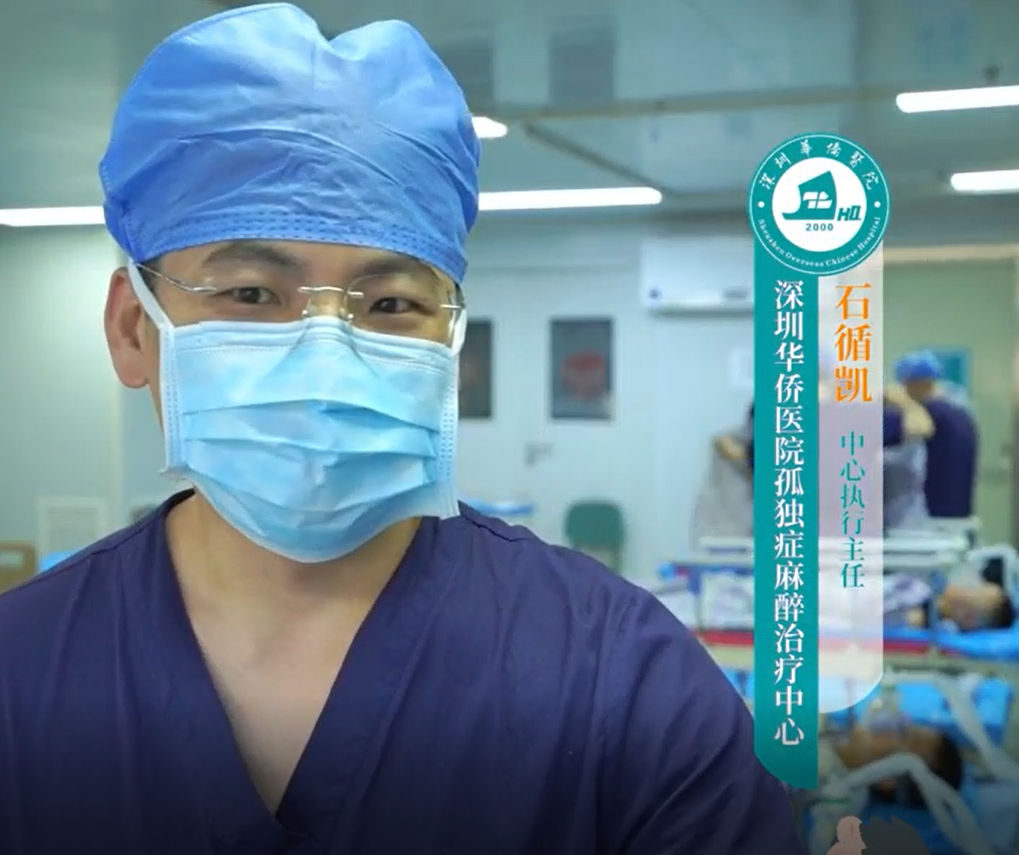
Director Shi Xunkai, taking into account Xiao Yu’s severe stereotyped behaviors and irritability, precisely controlled the duration and concentration of each treatment dose. He combined stellate ganglion block and traditional Chinese medicine buccal acupuncture to improve cerebral blood supply, working through both approaches to repair damaged neural function.
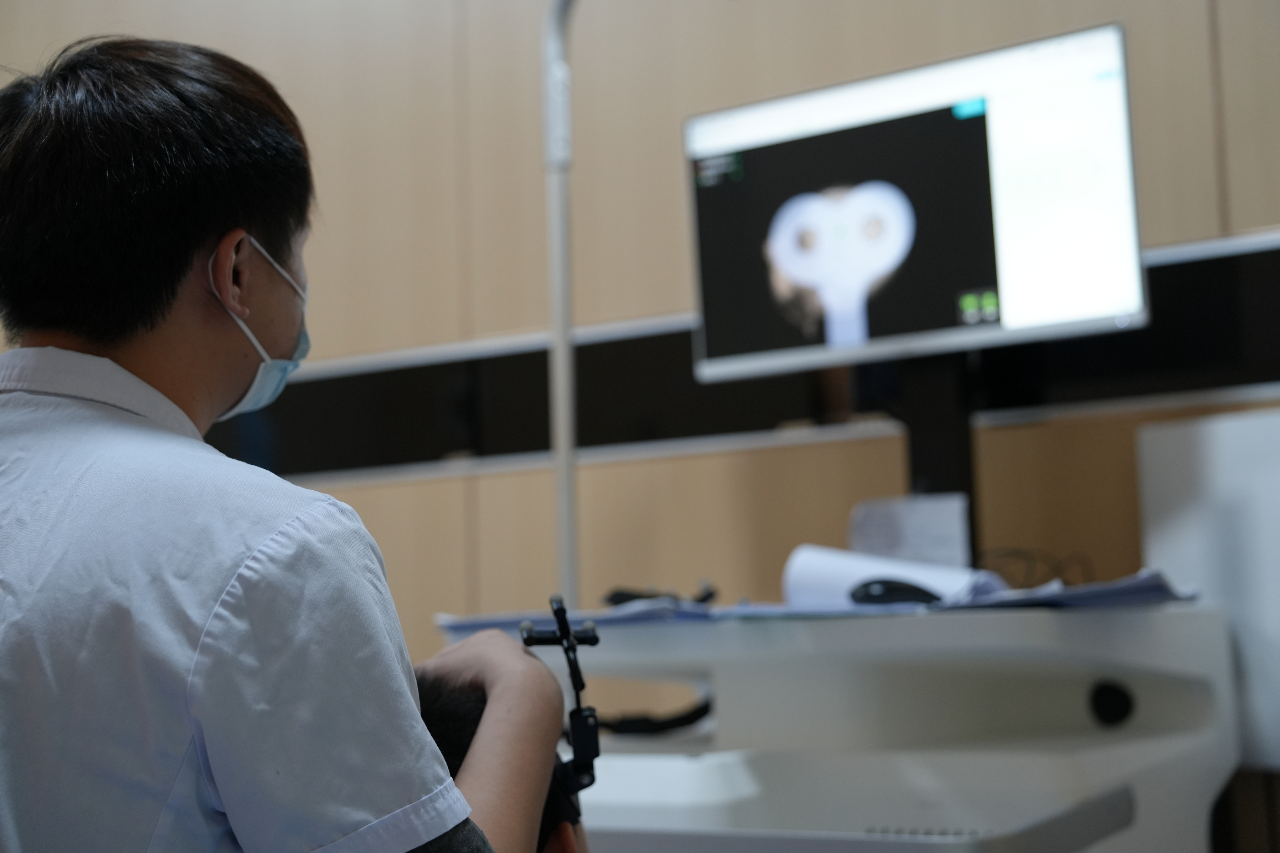
In children with severe autism, abnormal connections exist in the neural circuits related to emotion, social interaction, and control in the brain, which give rise to stubborn stereotyped behaviors, avoidance of eye contact, emotional dysregulation, and cognitive delay. Precision neuromodulation of brain circuits can precisely locate the child’s abnormal brain function targets, non-invasively regulate imbalanced neural pathways, and reshape brain plasticity. It fundamentally reduces sensory fixations and enhances the ability to receive external information, laying the foundation for behavior modification and language training.
“Xiao Yu’s spoon obsession, poor toileting awareness, and eye contact impairment are essentially all caused by impaired function of the relevant brain circuits. Precision neuromodulation can directly improve the underlying neurological problems,” Professor Duan Chuanwei explained, outlining the core logic of the treatment.
“Repeated hand grasping and clothes-biting in the child are sensory-seeking behaviors caused by persistent neurological tension. With daily massage of two acupoints—Neiguan (PC6) and Shousanli (LI10)—the soreness and distension can relieve hand tension and reduce stereotyped movements. In the hospital, precision neuromodulation of brain circuits addresses the root problem in the brain; at home, acupoint massage continuously relieves bodily tension. Then, by seizing moments when the child is emotionally calm to conduct instruction-based training, correcting stereotyped behaviors and developing toileting habits can yield twice the result with half the effort. Remember: when the child is crying and losing control, do not force lecturing. At such times, the brain’s ability to receive information is almost zero. Guidance is effective only when the child is emotionally stable.”
A One-Stop Solution to Diagnosis and Treatment Pain Points
Comprehensive Anesthesia Therapy: Low-concentration sevoflurane neuromodulation + stellate ganglion block + distinctive traditional Chinese medicine physical therapy, regulating brain neural circuits and improving emotion, cognition, and sleep.
Precision Neuromodulation Technology for Brain Functional Circuits: Drawing personalized brain function maps, non-invasively targeting and stimulating abnormal brain regions, and assisting in repairing neural connections for social interaction and language.
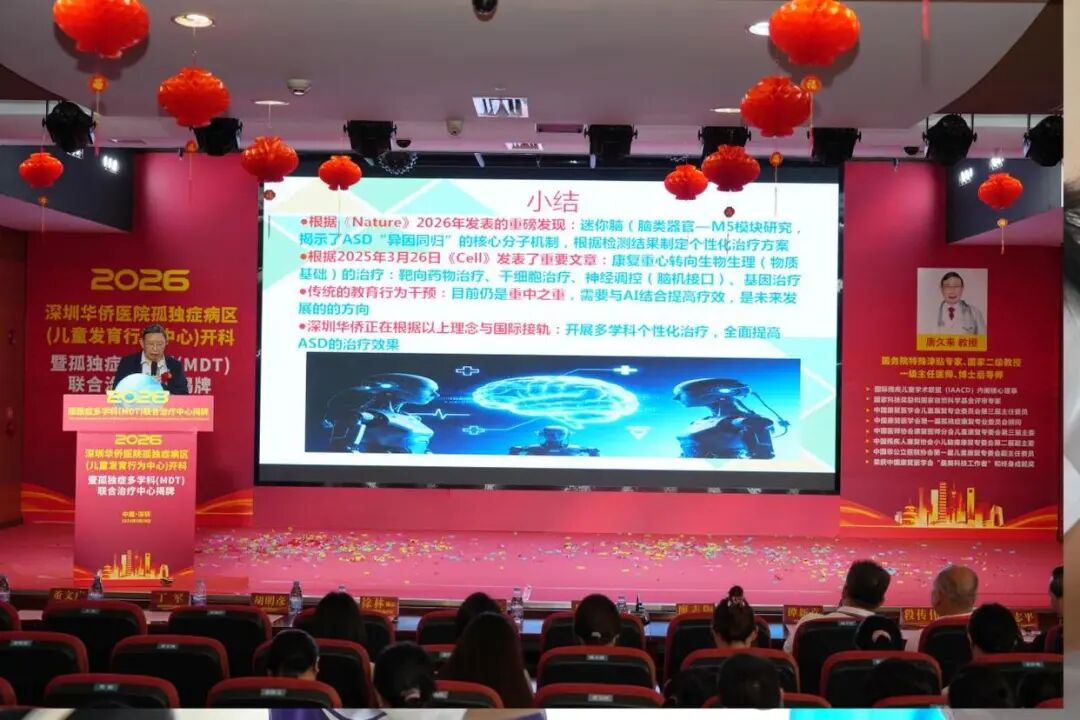
“Spring has arrived for autism spectrum disorder!” Professor Tang Jiulai stated. According to a study on the mini-brain M5 module published in the international top journal *Nature* in 2026, autism has a core molecular mechanism of “different causes converging into the same outcome,” and individualized testing can be used to formulate precision treatment plans. Meanwhile, an article published in *Cell* on March 26, 2025, pointed out that the focus of rehabilitation is shifting toward biophysiological treatment, covering targeted drugs, stem cell therapy, neuromodulation (brain-computer interface), and gene therapy. Shenzhen Overseas Chinese Hospital has already aligned with international standards based on these concepts, carrying out multidisciplinary personalized treatment to comprehensively improve the therapeutic outcomes for autism.
From never letting his spoon out of his hand, avoiding all eye contact, and being unable to use the toilet independently, to voluntarily letting go of his fixation, making prolonged eye contact, using the toilet on his own, and sensing others’ emotions—Xiao Yu’s transformation is living proof that severe autism is not unsolvable. Every multidisciplinary, individualized, comprehensive treatment; every patient act of guidance from doctors and nurses; and every day of unwavering companionship from his family are lighting the path of growth for children with autism. May more children with autism trapped in a lonely world, like Xiao Yu, shed the shackles of fixation and embrace a new life that is independent, bright, and warm.❤️
 Appointment Service
 Traffic Guide
 Medical Notice