当前位置:首页 >> Health Information

Is Carotid Periarterial Sympathectomy (CPS) a “Scam”? This Science Article Gives Parents of Children with Cerebral Palsy and Developmental Delay a Dose of Reassurance
2026-07-29 16:06:22
“CPS surgery is hardly performed abroad—is it just a gimmick?” “My child has been in rehabilitation for years with slow progress. Can this minimally invasive procedure improve speech and drooling?” “Does the surgery have aftereffects? Is it worth taking the risk?” Many parents of children wit...


“CPS surgery is hardly performed abroad—is it just a gimmick?” “My child has been in rehabilitation for years with slow progress. Can this minimally invasive procedure improve speech and drooling?” “Does the surgery have aftereffects? Is it worth taking the risk?” Many parents of children with cerebral palsy and brain hypoplasia feel deeply conflicted when they come across such information online.

Many parents find themselves in a dilemma: their children have persisted with rehabilitation training for a long time, yet language, cognition, and swallowing function have still not made a breakthrough and remain stuck at a rehabilitation plateau. They want to try surgery to improve the situation, but fear undergoing an operation in vain, with no results, or even fear lasting aftereffects. In particular, many parents of children with brain hypoplasia and no obvious limb spasticity are even more uncertain whether their child is suitable for this surgery.

In response, today this article, drawing on a large number of clinical cases of children with cerebral palsy and brain hypoplasia and authoritative domestic medical research, objectively analyzes the true value of CPS surgery. The conclusion is clear and definite: CPS surgery is by no means a “tax on stupidity,” nor is it an all-powerful miracle cure for brain injury. Precise matching of indications, standardized surgical procedures, and systematic rehabilitation together make it an effective approach to help children with cerebral palsy and brain hypoplasia break through rehabilitation bottlenecks.


01

Differences in CPS Practice Between China and Abroad: 
Not an Ineffective Technique, but a Difference in Medical Philosophy


The question at the heart of parents’ concerns is: “Why is CPS rarely performed abroad but widely used in China?” In fact, this is not because the surgery is unreliable, but because there are fundamental differences between China and other countries in the philosophy of cerebral palsy diagnosis and treatment and in the characteristics of affected children.

In Europe and the United States, the focus of treatment is on correcting limb motor function. Basic interventions mainly consist of rehabilitation training, botulinum toxin, and antispastic medications. The preferred surgical procedure is SPR (selective posterior rhizotomy), which specifically addresses limb spasticity and gait deformities. For central nervous system dysfunction such as brain hypoplasia, language and cognitive delay, and drooling, there is a lack of corresponding surgical intervention options; therefore, CPS surgery is almost never performed.


In China, the pediatric patient population falls into two major categories: one is typical cerebral palsy, accompanied by limb stiffness and abnormal twisting movements; the other is brain hypoplasia, in which limb movement is basically normal, but the core problems are concentrated in poor cognition, inability to speak, frequent drooling, and choking during meals. For both types of children, traditional rehabilitation training alone produces very slow results. Based on the clinical challenges faced by pediatric patients in China, domestic neurosurgery has devoted decades of exploration and refinement to the minimally invasive CPS procedure—carotid periarterial sympathectomy—specifically to address the shortcomings of traditional rehabilitation and limb surgery in improving central nervous system function. It has clearly defined indications for both children with cerebral palsy and those with brain hypoplasia.

The Pediatric Neuromedicine Center of Shenzhen Overseas Chinese Hospital has long been deeply engaged in the standardized diagnosis and treatment of developmental brain disorders and comprehensively offers mainstream minimally invasive procedures such as CPS and SPR. For children with cerebral palsy dominated by limb spasticity, SPR surgery is used. For children with brain hypoplasia or athetoid (dyskinetic) cerebral palsy whose main manifestations are drooling and language and cognitive delay, CPS surgery is precisely matched to provide targeted treatment, avoiding unnecessary surgery.


02

Core Principle of CPS Surgery: 
Enhancing Cerebral Blood and Oxygen Supply to Awaken Dormant Nerve Cells


The pathogenic roots of cerebral palsy and brain hypoplasia in children are similar. They are mostly caused by intrauterine hypoxia, premature birth and asphyxia, severe jaundice, traumatic brain injury, congenital brain developmental defects, and other factors that lead to brain tissue damage and insufficient brain function. In these children, the carotid periarterial sympathetic nerve network is chronically hyperactive, continuously constricting blood vessels and causing persistent insufficient blood and oxygen supply to the brain. Just as dry farmland lacks nourishment, dormant and damaged neurons in the brain cannot receive adequate nutrients for repair, ultimately leading to problems such as inability to speak, long-term drooling, slow response to the outside world, and uncoordinated swallowing. Some children with cerebral palsy also have involuntary twisting movements and stiffness of the limbs.


CPS surgery is a refined minimally invasive procedure. Through a small 2–3 cm incision in the neck, the overactive carotid sympathetic nerve network is precisely stripped under a microscope. Its core effects are clear: First, it dilates the carotid arteries, increasing cerebral blood flow by 20%–30%, delivering sufficient blood oxygen and nutrients to the brain, activating dormant compensatory neurons, and repairing central functions for language, cognition, and swallowing. This is particularly crucial for improving intelligence and expressive ability in children with brain hypoplasia. Second, it balances neurotransmitters, reduces abnormal systemic muscle tone, relieves limb stiffness and athetosis in children with cerebral palsy, and simultaneously reduces abnormal secretion from the salivary glands, thereby fundamentally improving drooling in these children.

Our hospital uses high-definition microscopes and intraoperative neurophysiological monitoring throughout the procedure to precisely avoid important structures such as blood vessels and the vagus nerve. The incision is small, bleeding is minimal, and trauma is low. Children can get out of bed and move normally the next day after surgery and are discharged in about 15 days. The recovery period is short, and even young infants with brain hypoplasia can tolerate the surgery.


03

Objectively Understanding the Efficacy:
Clarifying What CPS Can Treat and Which Symptoms It Can Improve

Parents should take a rational view of surgical outcomes, discard the misconception that “surgery equals a cure,” accurately distinguish the advantages and limitations of surgery, and avoid psychological letdown. Whether the child has cerebral palsy or brain hypoplasia, the logic of therapeutic efficacy remains the same.


Main Symptoms Improved by Minimally Invasive Surgery


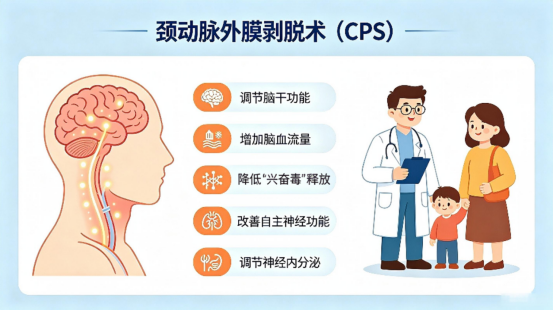
The core effects of carotid periarterial sympathectomy (CPS) mainly involve five core mechanisms: regulating brainstem function, enhancing cerebral blood supply, inhibiting the release of excitatory neurotoxic substances, regulating autonomic control of visceral organ function, and improving local neuroendocrine function and central neurotransmitter secretion. Based on its clinical mechanisms of action, these can be specifically divided into the following four main therapeutic effects:


1. Improve Cerebral Blood Flow and Oxygen Supply

Sympathetic nerve excitation can trigger cerebral vasoconstriction, leading to reduced cerebral blood flow. Children with cerebral palsy generally have a pathological state of impaired cerebral blood flow regulation. By stripping the sympathetic nerve network around the carotid artery, surgery can relieve the sympathetic nervous system’s vasoconstrictive control, promote dilation of the carotid artery and its intracranial branches, and effectively increase cerebral blood flow and oxygen supply. By improving the microcirculation of brain tissue, it can create a favorable physiological environment for surviving, incompletely damaged nerve cells and provide basic conditions for subsequent rehabilitation treatment.

   2. Improve Drooling in Children

Sympathetic nerve fibers that regulate salivary gland secretion run closely along the adventitia of the common carotid artery. After surgical stripping of the carotid periarterial sympathetic nerve network, the sympathetic nerve signals controlling salivary gland secretion can be effectively blocked or weakened, reducing abnormal saliva secretion. Surgery can effectively improve severe drooling in children, reduce the risk of complications such as perioral skin irritation, ulceration, and aspiration pneumonia caused by drooling, and simultaneously improve children’s daily social interactions and quality of life.

3. Possibly Relieve Somatic Muscle Spasticity

The sympathetic nervous system participates in the regulation of human muscle tone. After carotid periarterial sympathectomy, cervical sympathetic nerve excitability is significantly reduced, which can help regulate abnormal high tension in the muscles of the limbs and trunk throughout the body. Clinical practice shows that most children experience relief from muscle stiffness after surgery, improved joint range of motion, and effective improvement in somatic motor function.

4. Regulate Nerve Excitability

Abnormally hyperactive sympathetic nerve activity promotes the massive release of excitatory neurotransmitters such as glutamate. Excessive accumulation of these neurotransmitters produces toxic stimulation to damaged neurons and aggravates central nervous system dysfunction. Surgery can block the transmission of abnormal cervical sympathetic excitatory signals, reduce the release of excitotoxic neurotransmitters, stabilize the activity of the brainstem and higher central nervous system, inhibit abnormal neuronal discharge, and reduce secondary neuronal damage.


04

Precisely Assess Indications: Don’t Miss the Golden Window

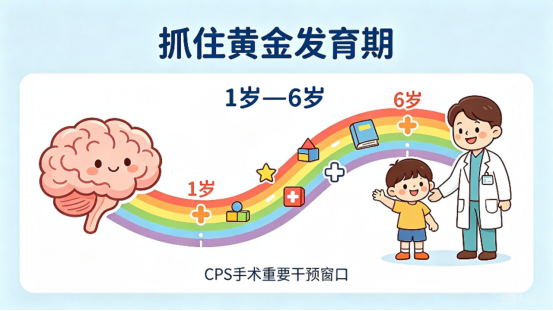
Ages 1–6 are the golden developmental period for cerebral neural compensation in children and the optimal intervention window for CPS surgery. Children under 12 still have relatively good potential for recovery. Strictly controlling surgical indications is central to ensuring therapeutic efficacy. The applicable criteria for cerebral palsy and brain hypoplasia are explained separately.


Children Suitable for CPS Surgery

Children with cerebral palsy: spastic, athetoid (dyskinetic), and mixed types; accompanied by chronic drooling, language impairment or aphasia, choking during swallowing, cognitive sluggishness, and abnormal twisting movements of the limbs; after more than 6 months of standardized rehabilitation, functional progress has stalled, entering a clear plateau phase.

Children with brain hypoplasia: no obvious limb spasticity or deformity; core manifestations include cognitive delay, delayed language development, persistent drooling, frequent choking while eating, and poor interaction with the outside world; MRI indicates insufficient brain volume, white matter hypoplasia/dysplasia, etc.; after persisting with cognitive and speech rehabilitation for more than six months, no significant improvement in developmental level.


Children for Whom Surgery Should Be Deferred or Approached with Caution


Children for Whom Surgery Should Be Deferred or Approached with Caution For children with frequent, uncontrolled seizures, their condition should first be stabilized before evaluation. Children with cerebral palsy who have severe scoliosis or severe joint contractures should prioritize correction of skeletal deformities. Children with severe cardiopulmonary disease, coagulation abnormalities, or severe malnutrition—whether they have cerebral palsy or brain hypoplasia—must first have their underlying physical condition optimized.


05

Our Signature Approach: 
Integrated Surgery and Rehabilitation

The Pediatric Neuromedicine Center of Shenzhen Overseas Chinese Hospital is founded on current internationally advanced concepts for the treatment of cerebral palsy and brain disorders. Integrating neurosurgery, neurology, orthopedic surgery, pediatrics, and rehabilitation medicine, it provides precise diagnosis, detailed assessment, and systematic comprehensive treatment for patients with pediatric cerebral palsy, epilepsy, autism, delayed brain development, intellectual disability, childhood language disorders, low intelligence, and other conditions.

With “integrated surgery and rehabilitation” as its core technical approach, the center comprehensively carries out internationally advanced procedures such as selective posterior rhizotomy (SPR), carotid periarterial sympathectomy (CPS), the Ilizarov orthopedic technique, and six-degree-of-freedom spatial external fixation orthopedic technique. Combining modern and traditional rehabilitation treatment methods, it has treated more than 10,000 patient visits with cerebral palsy and brain disorders and completed nearly 10,000 complex surgeries of various types, achieving remarkable therapeutic results and earning widespread praise from patients with cerebral palsy and brain disorders and their parents. At present, the discipline has become one of the largest specialized medical institutions for cerebral palsy and brain disorders in South China featuring “integrated surgery and rehabilitation.”


Conclusion


In conclusion, CPS is not a “tax on stupidity” or a waste of money. It is an effective minimally invasive treatment option tailored to the conditions of children with cerebral palsy and brain hypoplasia in China and validated by extensive clinical practice. It cannot completely repair damaged brain tissue, but it can help countless children stuck at rehabilitation plateaus improve core challenges such as drooling, speech, swallowing, and cognition, opening up new possibilities for subsequent rehabilitation.

If your child has been diagnosed with cerebral palsy or brain hypoplasia, has had poor long-term rehabilitation outcomes, and has problems such as drooling, unclear speech, cognitive sluggishness, or choking during swallowing, you can make an appointment for an in-person consultation with experts at the Pediatric Neuromedicine Center of Shenzhen Overseas Chinese Hospital. You can participate free of charge in a comprehensive multidisciplinary assessment, distinguish between cerebral palsy and brain hypoplasia, and receive a scientific, personalized diagnosis, treatment, and rehabilitation plan.
❤️

Health Information

当前位置:首页 >> Health Information
Is Carotid Periarterial Sympathectomy (CPS) a “Scam”? This Science Article Gives Parents of Children with Cerebral Palsy and Developmental Delay a Dose of Reassurance
2026-07-29 16:06:22


“CPS surgery is hardly performed abroad—is it just a gimmick?” “My child has been in rehabilitation for years with slow progress. Can this minimally invasive procedure improve speech and drooling?” “Does the surgery have aftereffects? Is it worth taking the risk?” Many parents of children with cerebral palsy and brain hypoplasia feel deeply conflicted when they come across such information online.

Many parents find themselves in a dilemma: their children have persisted with rehabilitation training for a long time, yet language, cognition, and swallowing function have still not made a breakthrough and remain stuck at a rehabilitation plateau. They want to try surgery to improve the situation, but fear undergoing an operation in vain, with no results, or even fear lasting aftereffects. In particular, many parents of children with brain hypoplasia and no obvious limb spasticity are even more uncertain whether their child is suitable for this surgery.

In response, today this article, drawing on a large number of clinical cases of children with cerebral palsy and brain hypoplasia and authoritative domestic medical research, objectively analyzes the true value of CPS surgery. The conclusion is clear and definite: CPS surgery is by no means a “tax on stupidity,” nor is it an all-powerful miracle cure for brain injury. Precise matching of indications, standardized surgical procedures, and systematic rehabilitation together make it an effective approach to help children with cerebral palsy and brain hypoplasia break through rehabilitation bottlenecks.


01

Differences in CPS Practice Between China and Abroad: 
Not an Ineffective Technique, but a Difference in Medical Philosophy


The question at the heart of parents’ concerns is: “Why is CPS rarely performed abroad but widely used in China?” In fact, this is not because the surgery is unreliable, but because there are fundamental differences between China and other countries in the philosophy of cerebral palsy diagnosis and treatment and in the characteristics of affected children.

In Europe and the United States, the focus of treatment is on correcting limb motor function. Basic interventions mainly consist of rehabilitation training, botulinum toxin, and antispastic medications. The preferred surgical procedure is SPR (selective posterior rhizotomy), which specifically addresses limb spasticity and gait deformities. For central nervous system dysfunction such as brain hypoplasia, language and cognitive delay, and drooling, there is a lack of corresponding surgical intervention options; therefore, CPS surgery is almost never performed.
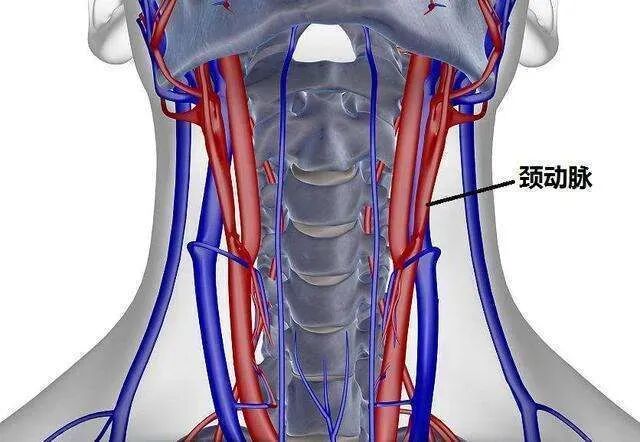

In China, the pediatric patient population falls into two major categories: one is typical cerebral palsy, accompanied by limb stiffness and abnormal twisting movements; the other is brain hypoplasia, in which limb movement is basically normal, but the core problems are concentrated in poor cognition, inability to speak, frequent drooling, and choking during meals. For both types of children, traditional rehabilitation training alone produces very slow results. Based on the clinical challenges faced by pediatric patients in China, domestic neurosurgery has devoted decades of exploration and refinement to the minimally invasive CPS procedure—carotid periarterial sympathectomy—specifically to address the shortcomings of traditional rehabilitation and limb surgery in improving central nervous system function. It has clearly defined indications for both children with cerebral palsy and those with brain hypoplasia.

The Pediatric Neuromedicine Center of Shenzhen Overseas Chinese Hospital has long been deeply engaged in the standardized diagnosis and treatment of developmental brain disorders and comprehensively offers mainstream minimally invasive procedures such as CPS and SPR. For children with cerebral palsy dominated by limb spasticity, SPR surgery is used. For children with brain hypoplasia or athetoid (dyskinetic) cerebral palsy whose main manifestations are drooling and language and cognitive delay, CPS surgery is precisely matched to provide targeted treatment, avoiding unnecessary surgery.


02

Core Principle of CPS Surgery: 
Enhancing Cerebral Blood and Oxygen Supply to Awaken Dormant Nerve Cells


The pathogenic roots of cerebral palsy and brain hypoplasia in children are similar. They are mostly caused by intrauterine hypoxia, premature birth and asphyxia, severe jaundice, traumatic brain injury, congenital brain developmental defects, and other factors that lead to brain tissue damage and insufficient brain function. In these children, the carotid periarterial sympathetic nerve network is chronically hyperactive, continuously constricting blood vessels and causing persistent insufficient blood and oxygen supply to the brain. Just as dry farmland lacks nourishment, dormant and damaged neurons in the brain cannot receive adequate nutrients for repair, ultimately leading to problems such as inability to speak, long-term drooling, slow response to the outside world, and uncoordinated swallowing. Some children with cerebral palsy also have involuntary twisting movements and stiffness of the limbs.
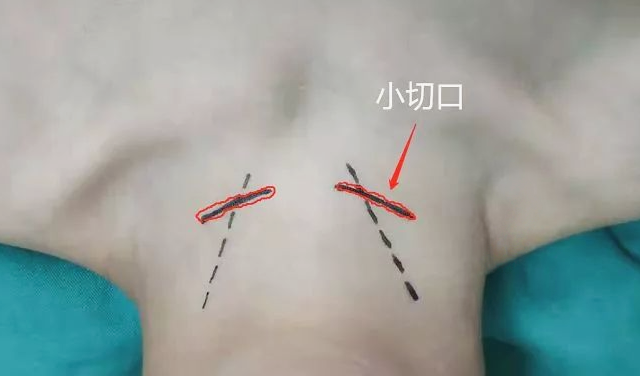


CPS surgery is a refined minimally invasive procedure. Through a small 2–3 cm incision in the neck, the overactive carotid sympathetic nerve network is precisely stripped under a microscope. Its core effects are clear: First, it dilates the carotid arteries, increasing cerebral blood flow by 20%–30%, delivering sufficient blood oxygen and nutrients to the brain, activating dormant compensatory neurons, and repairing central functions for language, cognition, and swallowing. This is particularly crucial for improving intelligence and expressive ability in children with brain hypoplasia. Second, it balances neurotransmitters, reduces abnormal systemic muscle tone, relieves limb stiffness and athetosis in children with cerebral palsy, and simultaneously reduces abnormal secretion from the salivary glands, thereby fundamentally improving drooling in these children.

Our hospital uses high-definition microscopes and intraoperative neurophysiological monitoring throughout the procedure to precisely avoid important structures such as blood vessels and the vagus nerve. The incision is small, bleeding is minimal, and trauma is low. Children can get out of bed and move normally the next day after surgery and are discharged in about 15 days. The recovery period is short, and even young infants with brain hypoplasia can tolerate the surgery.


03

Objectively Understanding the Efficacy:
Clarifying What CPS Can Treat and Which Symptoms It Can Improve

Parents should take a rational view of surgical outcomes, discard the misconception that “surgery equals a cure,” accurately distinguish the advantages and limitations of surgery, and avoid psychological letdown. Whether the child has cerebral palsy or brain hypoplasia, the logic of therapeutic efficacy remains the same.


Main Symptoms Improved by Minimally Invasive Surgery


The core effects of carotid periarterial sympathectomy (CPS) mainly involve five core mechanisms: regulating brainstem function, enhancing cerebral blood supply, inhibiting the release of excitatory neurotoxic substances, regulating autonomic control of visceral organ function, and improving local neuroendocrine function and central neurotransmitter secretion. Based on its clinical mechanisms of action, these can be specifically divided into the following four main therapeutic effects:


1. Improve Cerebral Blood Flow and Oxygen Supply

Sympathetic nerve excitation can trigger cerebral vasoconstriction, leading to reduced cerebral blood flow. Children with cerebral palsy generally have a pathological state of impaired cerebral blood flow regulation. By stripping the sympathetic nerve network around the carotid artery, surgery can relieve the sympathetic nervous system’s vasoconstrictive control, promote dilation of the carotid artery and its intracranial branches, and effectively increase cerebral blood flow and oxygen supply. By improving the microcirculation of brain tissue, it can create a favorable physiological environment for surviving, incompletely damaged nerve cells and provide basic conditions for subsequent rehabilitation treatment.

   2. Improve Drooling in Children

Sympathetic nerve fibers that regulate salivary gland secretion run closely along the adventitia of the common carotid artery. After surgical stripping of the carotid periarterial sympathetic nerve network, the sympathetic nerve signals controlling salivary gland secretion can be effectively blocked or weakened, reducing abnormal saliva secretion. Surgery can effectively improve severe drooling in children, reduce the risk of complications such as perioral skin irritation, ulceration, and aspiration pneumonia caused by drooling, and simultaneously improve children’s daily social interactions and quality of life.

3. Possibly Relieve Somatic Muscle Spasticity

The sympathetic nervous system participates in the regulation of human muscle tone. After carotid periarterial sympathectomy, cervical sympathetic nerve excitability is significantly reduced, which can help regulate abnormal high tension in the muscles of the limbs and trunk throughout the body. Clinical practice shows that most children experience relief from muscle stiffness after surgery, improved joint range of motion, and effective improvement in somatic motor function.

4. Regulate Nerve Excitability

Abnormally hyperactive sympathetic nerve activity promotes the massive release of excitatory neurotransmitters such as glutamate. Excessive accumulation of these neurotransmitters produces toxic stimulation to damaged neurons and aggravates central nervous system dysfunction. Surgery can block the transmission of abnormal cervical sympathetic excitatory signals, reduce the release of excitotoxic neurotransmitters, stabilize the activity of the brainstem and higher central nervous system, inhibit abnormal neuronal discharge, and reduce secondary neuronal damage.


04

Precisely Assess Indications: Don’t Miss the Golden Window

Ages 1–6 are the golden developmental period for cerebral neural compensation in children and the optimal intervention window for CPS surgery. Children under 12 still have relatively good potential for recovery. Strictly controlling surgical indications is central to ensuring therapeutic efficacy. The applicable criteria for cerebral palsy and brain hypoplasia are explained separately.


Children Suitable for CPS Surgery

Children with cerebral palsy: spastic, athetoid (dyskinetic), and mixed types; accompanied by chronic drooling, language impairment or aphasia, choking during swallowing, cognitive sluggishness, and abnormal twisting movements of the limbs; after more than 6 months of standardized rehabilitation, functional progress has stalled, entering a clear plateau phase.

Children with brain hypoplasia: no obvious limb spasticity or deformity; core manifestations include cognitive delay, delayed language development, persistent drooling, frequent choking while eating, and poor interaction with the outside world; MRI indicates insufficient brain volume, white matter hypoplasia/dysplasia, etc.; after persisting with cognitive and speech rehabilitation for more than six months, no significant improvement in developmental level.


Children for Whom Surgery Should Be Deferred or Approached with Caution


Children for Whom Surgery Should Be Deferred or Approached with Caution For children with frequent, uncontrolled seizures, their condition should first be stabilized before evaluation. Children with cerebral palsy who have severe scoliosis or severe joint contractures should prioritize correction of skeletal deformities. Children with severe cardiopulmonary disease, coagulation abnormalities, or severe malnutrition—whether they have cerebral palsy or brain hypoplasia—must first have their underlying physical condition optimized.


05

Our Signature Approach: 
Integrated Surgery and Rehabilitation

The Pediatric Neuromedicine Center of Shenzhen Overseas Chinese Hospital is founded on current internationally advanced concepts for the treatment of cerebral palsy and brain disorders. Integrating neurosurgery, neurology, orthopedic surgery, pediatrics, and rehabilitation medicine, it provides precise diagnosis, detailed assessment, and systematic comprehensive treatment for patients with pediatric cerebral palsy, epilepsy, autism, delayed brain development, intellectual disability, childhood language disorders, low intelligence, and other conditions.

With “integrated surgery and rehabilitation” as its core technical approach, the center comprehensively carries out internationally advanced procedures such as selective posterior rhizotomy (SPR), carotid periarterial sympathectomy (CPS), the Ilizarov orthopedic technique, and six-degree-of-freedom spatial external fixation orthopedic technique. Combining modern and traditional rehabilitation treatment methods, it has treated more than 10,000 patient visits with cerebral palsy and brain disorders and completed nearly 10,000 complex surgeries of various types, achieving remarkable therapeutic results and earning widespread praise from patients with cerebral palsy and brain disorders and their parents. At present, the discipline has become one of the largest specialized medical institutions for cerebral palsy and brain disorders in South China featuring “integrated surgery and rehabilitation.”


Conclusion


In conclusion, CPS is not a “tax on stupidity” or a waste of money. It is an effective minimally invasive treatment option tailored to the conditions of children with cerebral palsy and brain hypoplasia in China and validated by extensive clinical practice. It cannot completely repair damaged brain tissue, but it can help countless children stuck at rehabilitation plateaus improve core challenges such as drooling, speech, swallowing, and cognition, opening up new possibilities for subsequent rehabilitation.

If your child has been diagnosed with cerebral palsy or brain hypoplasia, has had poor long-term rehabilitation outcomes, and has problems such as drooling, unclear speech, cognitive sluggishness, or choking during swallowing, you can make an appointment for an in-person consultation with experts at the Pediatric Neuromedicine Center of Shenzhen Overseas Chinese Hospital. You can participate free of charge in a comprehensive multidisciplinary assessment, distinguish between cerebral palsy and brain hypoplasia, and receive a scientific, personalized diagnosis, treatment, and rehabilitation plan.
❤️