For most children, walking normally is an innate ability. But Xiangxiang (pseudonym), a 5-year-old girl from Hunan, has long been plagued by walking difficulties due to spastic cerebral palsy. After seeking medical help from one hospital to another, her family came to the Pediatric Neuromedicine Center of Shenzhen Overseas Chinese Hospital, where she received integrated multidisciplinary treatment combining minimally invasive SPR surgery and rehabilitation. Today, Xiangxiang’s limb spasticity has been significantly relieved, her standing and mobility have steadily improved, and she has regained hope of walking normally. Her grandmother, who cares for her full-time, is deeply gratified.
Congenital Causes:
Long-Standing Toe-Walking and Unsteady Gait
Xiangxiang was born prematurely. She had hypoxia and jaundice at birth and was immediately transferred to the neonatology department for treatment. At around one year of age, her family noticed that she moved her legs less and had increased muscle tone, after which she began long-term comprehensive rehabilitation at a local children’s hospital.
Xiangxiang’s language, cognition, and comprehension were no different from those of normal children, and her upper limbs moved freely. However, after years of rehabilitation, her lower limb motor impairment had never improved. “She couldn’t stand upright or stand up, and she could only take a few steps when walking, staggering unsteadily,” her grandmother said. On admission, she could only walk with support. Her legs showed a typical scissor gait, and she walked unsteadily, with poor balance, abnormal posture, and heels unable to touch the ground.
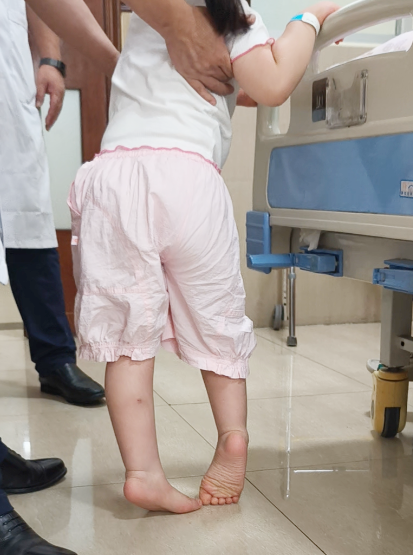
Examination at the Pediatric Neuromedicine Center of Shenzhen Overseas Chinese Hospital showed that Xiangxiang had no spinal deformity, but had bilateral hip internal rotation, foot inversion, hypertonia, and hyperactive knee and Achilles tendon reflexes. She was also diagnosed with bilateral hip contracture and bilateral Achilles tendon contracture. Given her condition, traditional rehabilitation training alone could no longer break through the dilemma. Shenzhen Overseas Chinese Hospital quickly activated its multidisciplinary consultation mechanism, bringing together authoritative experts from neurosurgery, rehabilitation medicine, orthopedics, pediatrics, and other fields to tailor a full-chain diagnosis and treatment plan for her: “precision assessment–surgical intervention–personalized rehabilitation.”
Precision Diagnosis and Treatment:
Integrated Multidisciplinary Treatment Combining Minimally Invasive Surgery and Rehabilitation
Based on Xiangxiang’s age, symptoms, and physical condition, the hospital immediately organized a multidisciplinary joint consultation of experts and, after comprehensive assessment, formulated a precise and individualized treatment plan. After preoperative modern rehabilitation training, Xiangxiang underwent integrated multidisciplinary comprehensive treatment combining minimally invasive SPR surgery and rehabilitation. Xiangxiang had typical spastic cerebral palsy, with normal upper limb function and good intellectual development. Minimally invasive SPR surgery could help fundamentally relieve limb spasticity and reduce muscle tone.
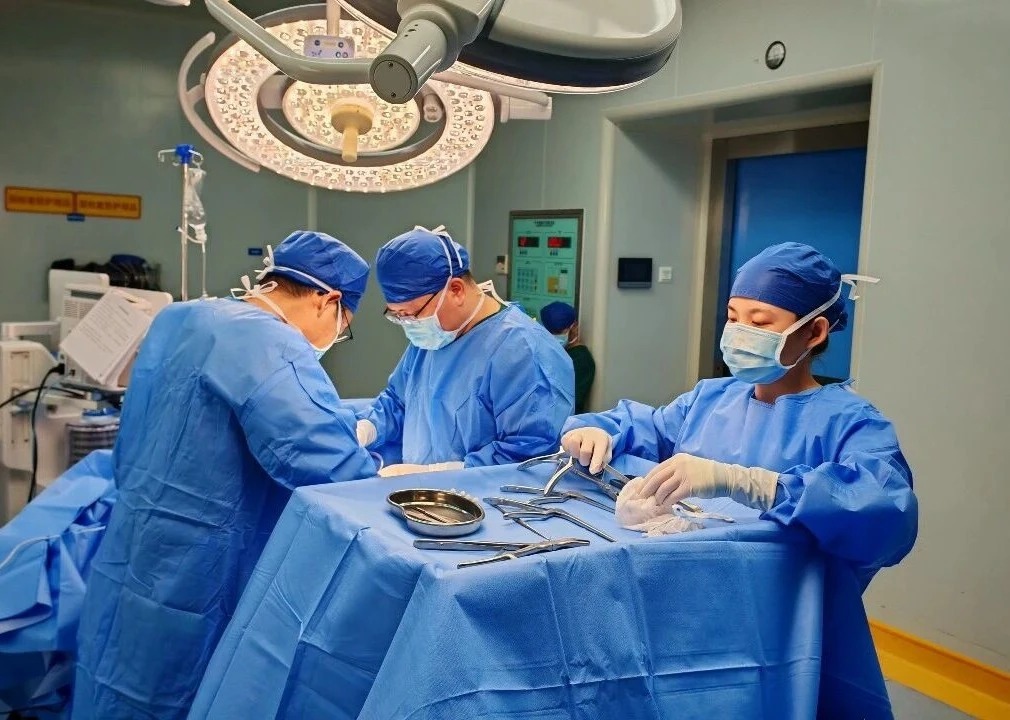
Selective posterior rhizotomy (SPR) is currently the most effective method for resolving spasticity and reducing muscle tone in cerebral palsy. Under neurophysiological guidance, the procedure performs precise deafferentation, reshaping the excitation-inhibition balance at the spinal level while maximally preserving normal sensory afferent function. It can permanently reduce abnormal tone in the target muscle groups.
Before surgery, the multidisciplinary experts conducted joint ward rounds, carefully examined Xiangxiang’s limbs, standing, and walking status, and analyzed her condition: “This child has spastic diplegia, with normal upper limbs and good intelligence and cognition. She fully meets the indications for SPR surgery and is currently at the optimal age for surgery. However, the child has already developed contractures of the ankle and knee joints, as well as knock-knees. If surgery had been performed as early as around age 3, before joint contractures developed, a single operation could have solved the problem. Now the joint contractures cannot be completely improved by SPR surgery alone, and a secondary ankle orthopedic surgery will be needed later.”
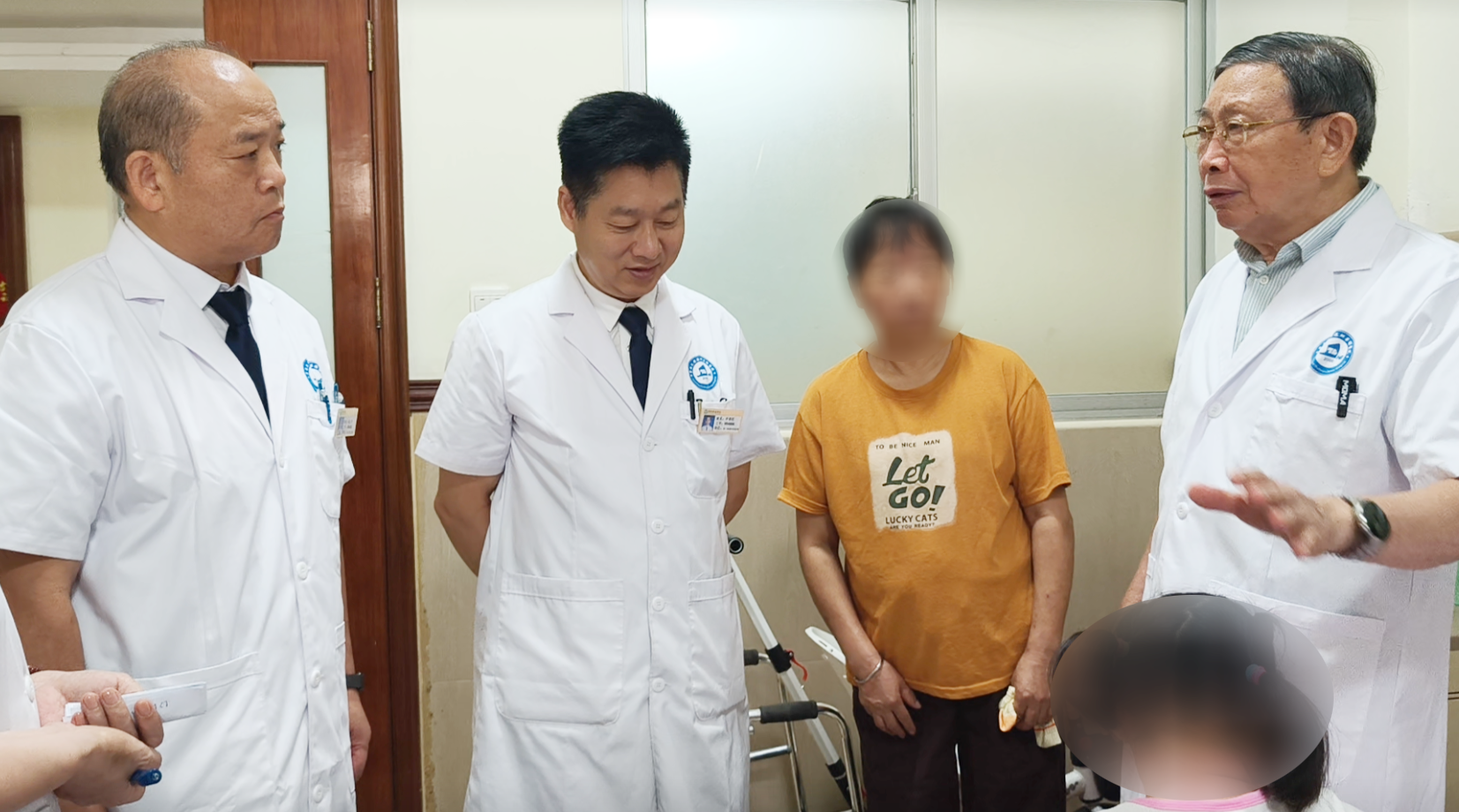
“SPR surgery must be performed first to relieve spasticity, and then foot orthopedic surgery can be carried out,” emphasized Xu Chunwang, Director of the Pediatric Neuromedicine Center of Shenzhen Overseas Chinese Hospital. The child currently has insufficient strength in the lumbar core muscles and a hunched-back problem. Before surgery, it is essential to urgently train the lumbar core muscles. At the same time, passive training with an ankle therapy device should be used to improve joint range of motion, which is crucial for overall recovery.
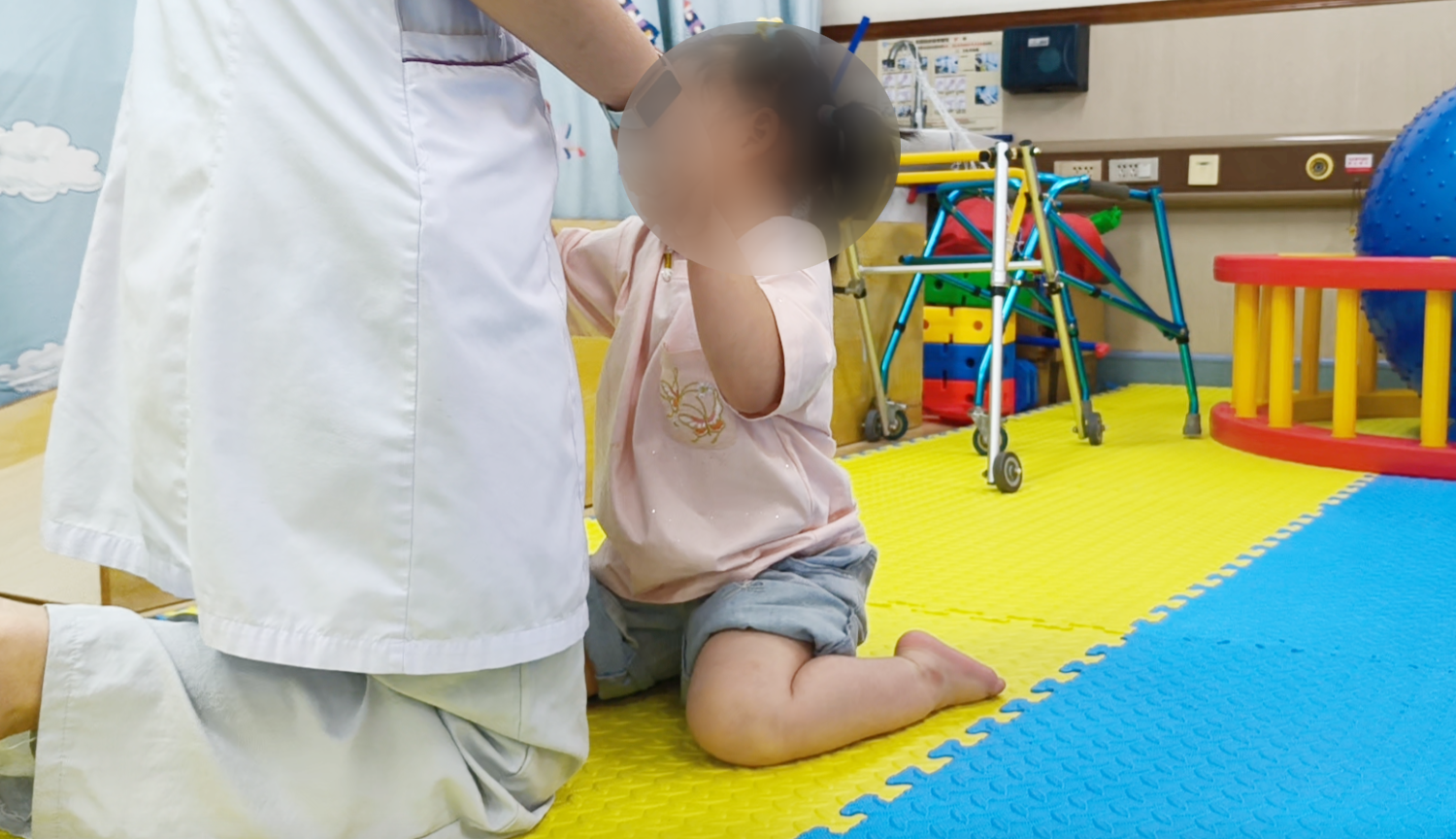
Following the experts’ guidance, Xiangxiang’s family brought her to undergo systematic preoperative rehabilitation at the hospital to strengthen her lumbar core strength. With a professional ankle therapy device, she received passive training to gradually loosen her stiff ankle joints and improve joint range of motion. This series of targeted training laid a solid foundation for the subsequent surgery and postoperative recovery. After completing all preoperative examinations, the hospital successfully performed minimally invasive bilateral lumbosacral selective posterior rhizotomy (SPR) for Xiangxiang. The procedure was precisely targeted and minimally invasive, ensuring the child’s safety.
A Surprising Transformation:
Legs Stand Straight and Feet Planted Flat
After surgery, the medical and nursing team conducted daily ward rounds, closely monitoring Xiangxiang’s body temperature, wound condition, changes in muscle tone, and other factors, and adjusted the rehabilitation plan in real time according to her recovery.
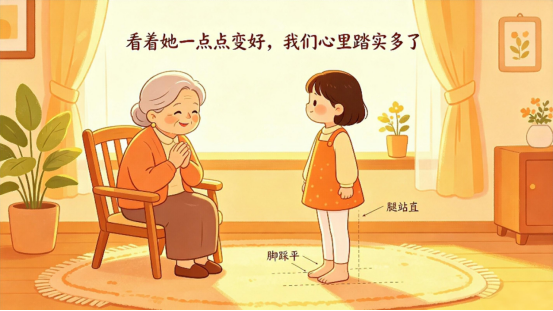
On the first day after surgery, the tightness in Xiangxiang’s lower limb muscles had already eased. On the 11th day after surgery, her recovery showed many positive changes. Her motor ability improved markedly. Xiangxiang, who had previously been unable to get up on her own, was now able to sit up and get up from bed by herself after falling. Regarding standing rehabilitation training, the doctor gave on-site instructions: “It is recommended to practice standing once every two hours, for about 40 minutes each time.” “During training, have the child stand while holding onto the wall, make sure both feet are planted flat on the ground, and break the habit of standing on tiptoes.” “Slow down the squat-to-stand movements; do not stand up or squat down suddenly.”
Xiangxiang’s grandmother, who accompanied and cared for her throughout the entire process, was overjoyed as she watched the child’s positive changes: “Now the child can stand with her legs straight, and her feet can be placed completely flat on the ground. Seeing her get better little by little, we feel much more at ease.”
After treatment, Xiangxiang recovered smoothly. Her lower limb muscle tone was effectively controlled, and typical symptoms such as scissor gait and inability to place her heels on the ground improved significantly. Her standing stability and ability to move independently continued to improve. The hospital also continued to follow up on subsequent treatment and rehabilitation plans based on the recovery of her joint contractures.
Integrated Medical and Rehabilitation Care:
Helping Children with Cerebral Palsy Achieve the Dream of “Running”
Cerebral palsy treatment is a long-term endeavor, and neither surgery alone nor rehabilitation alone can achieve ideal results. Shenzhen Overseas Chinese Hospital implements an integrated multidisciplinary diagnosis and treatment model combining minimally invasive SPR surgery and rehabilitation, connecting the entire process of preoperative assessment, intraoperative treatment, and postoperative rehabilitation, and addressing the disconnect between surgery and rehabilitation in traditional treatment.
Abnormally increased muscle tone is the “shackle” that binds the limbs of children with spastic cerebral palsy. SPR surgery relieves muscle spasticity at the root and lays the foundation for rehabilitation training. Systematic preoperative and postoperative rehabilitation, in turn, supplements muscle strength, corrects posture, and reshapes normal movement patterns. The two complement each other.
Parents are reminded here that 6 months to 6 years of age is the golden period for intervention in spastic cerebral palsy. If a child is found to have delayed motor development, limb stiffness, or abnormal gait, please promptly seek medical care at a regular hospital. Early assessment and early intervention can maximize the recovery of the child’s motor function.
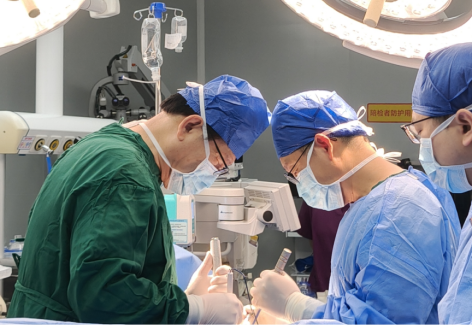
Shenzhen Overseas Chinese Hospital comprehensively offers internationally advanced procedures such as selective posterior rhizotomy (SPR), carotid periarterial sympathectomy (CPS), the Ilizarov orthopedic technique, and six-degree-of-freedom spatial external fixation orthopedic technique. Its scope of diagnosis and treatment covers various childhood brain disorders, including pediatric cerebral palsy, intellectual disability, clubfoot deformity, and epilepsy. Over the years, the hospital has treated more than 10,000 pediatric patient visits with brain disorders and completed nearly 10,000 complex surgeries of various types. Its solid therapeutic results have earned the trust of families of pediatric patients from across the country. At present, the discipline has become one of the largest specialized medical institutions for cerebral palsy and brain disorders in South China featuring “integrated surgery and rehabilitation.”
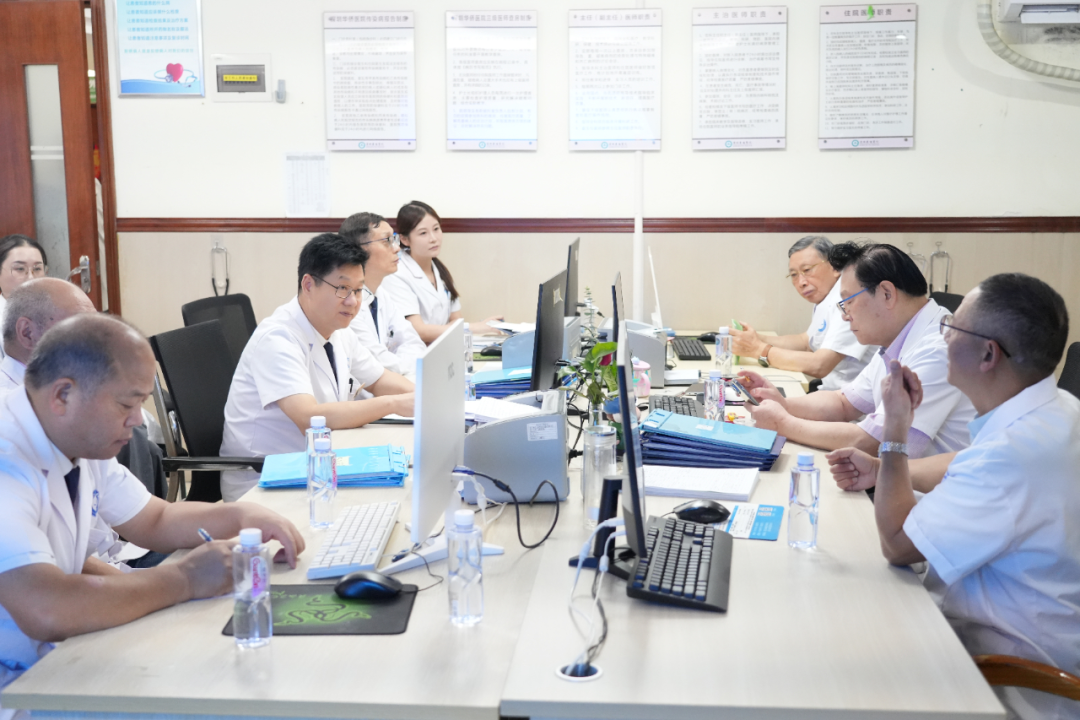
In the future, Shenzhen Overseas Chinese Hospital will continue to refine its minimally invasive technologies and rehabilitation system. With professional diagnosis and treatment and compassionate services, it will help more children with cerebral palsy break free from the bonds of illness, take steady steps, and embrace their own wonderful lives!❤️

 Appointment Service
 Traffic Guide
 Medical Notice