当前位置:首页 >> Health Information
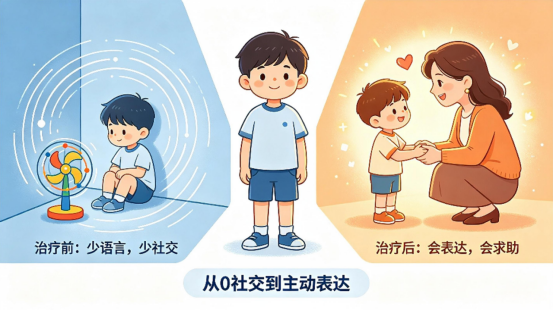
After eight years of traditional rehabilitation produced little effect, this older child with severe autism and almost no social interaction achieved all-round qualitative leaps in language, social interaction, and emotional cognition under multidisciplinary combined treatment at the Multidisciplinary Combined Treatment Center in our hospital’s Autism Ward. This has also brought a new rehabilitation direction and hope for recovery to countless autism families across the country who have traveled far and wide seeking medical help and are deeply anxious.
A 9-Year-Old Child with Autism Trapped on an “Island”
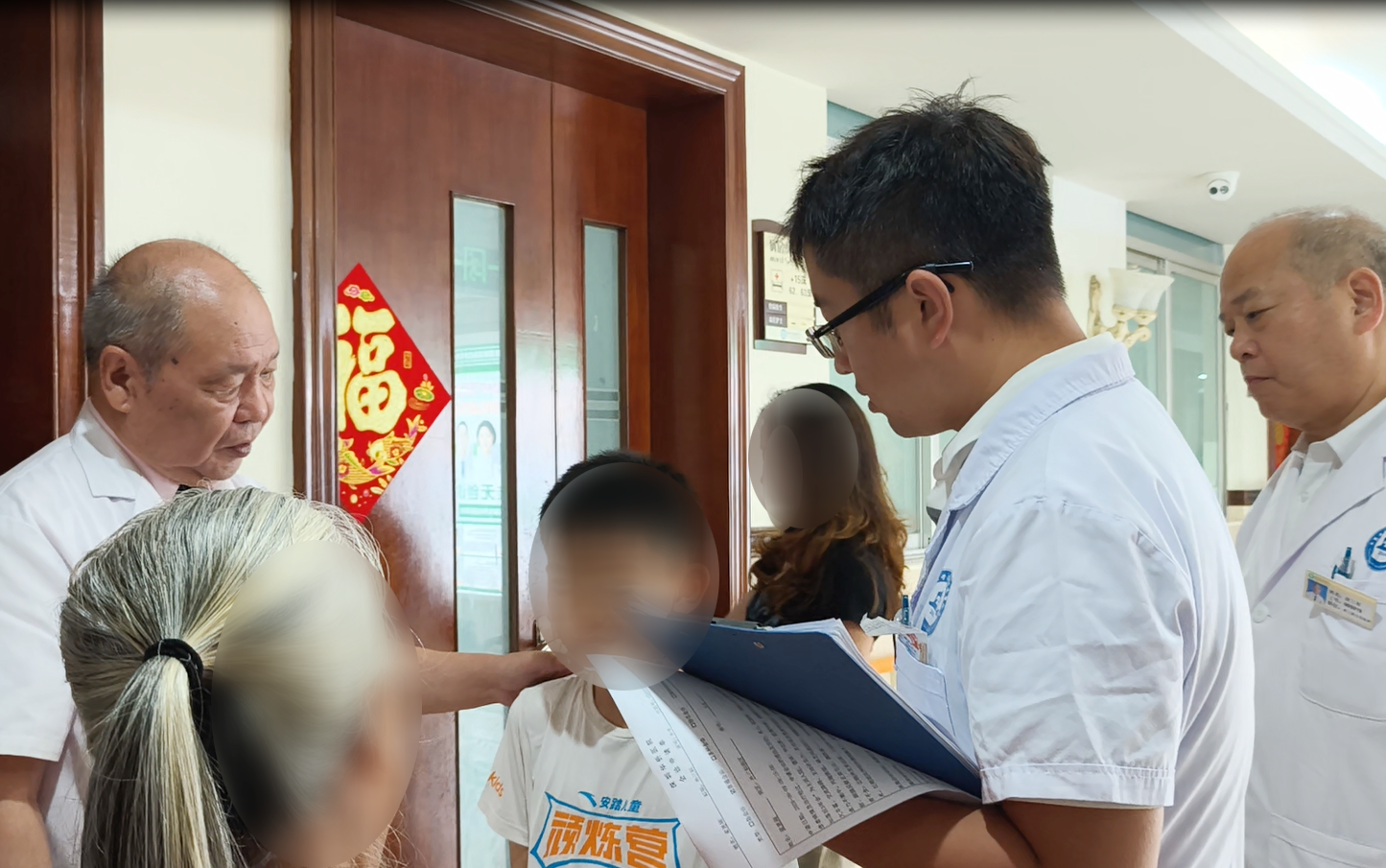
Xiao Long (pseudonym), now 9 years old, was found by his parents to have obvious developmental abnormalities as early as when he was just over 1 year old: slow response to being called by name, extremely brief eye contact, and never actively seeking out peers to play with. He was later diagnosed with childhood autism. From the day of diagnosis, his family began a long rehabilitation journey. Various routine speech, sensory integration, and behavioral training continued without interruption for a full eight years, yet they were never able to overcome his most core difficulty: social impairment.
Xiao Long is a typical child with autism characterized by “high cognition and severe social deficits.” He has an outstanding innate memory: he can quickly complete addition and subtraction within 100, two-digit mental arithmetic, and simple multiplication. He recognizes more than 1,000 Chinese characters and is also highly gifted in drawing. Yet his social and emotional expression abilities are almost completely blank.
Before treatment, he displayed very typical autistic behaviors: he was immersed only in his own interests, preferred to line objects up neatly in straight lines, repeatedly opened and closed doors and windows, and stared for long periods at spinning or glowing objects. In communication, he mostly engaged in passive echoing, could not distinguish personal pronouns such as “I,” “you,” and “he/she,” spoke in a flat, monotone voice, and had great difficulty describing even a small event completely. When with his younger brother, he would only play by himself. When conflicts arose, he would directly drag or push him away. He never observed others’ emotions, still less did he have any awareness of actively seeking help or empathizing with others.
Speaking of the hardships of seeking medical help over the past eight years, his mother was full of helplessness and exhaustion: “From the moment the problem was discovered, we never stopped rehabilitation training for a single moment. We alternated between institutional and home-based training. He has a great talent for math—anything to do with numbers, he understands immediately—but no matter how much we taught him about social interaction, there was no improvement at all. When he reached school age, he could not keep up with the pace of group social interaction in a regular school, and comprehensive assessments showed that a special school was also difficult to match. He never even completed a full senior kindergarten year. Watching children his age laugh and play together, he would always stay alone in a corner, never forming any connection with anyone. During that time, I fell into self-torment every day and even wondered whether I would never see him actively communicate with others in this lifetime.”
Traditional rehabilitation training mostly focuses on external behavior modification and basic language teaching. It can only improve surface-level movements and simple conversations, and cannot reach the core root of autism—imbalanced development of brain circuits related to social interaction and language. For older children with severe autism like Xiao Long, who have undergone years of intervention without a breakthrough, relying solely on conventional rehabilitation makes it very easy to reach a plateau. Slight progress during training is often quickly lost once intervention is withdrawn. Over the long term, this consumes parents’ time, money, and emotional energy.
Visible Progress Across the Board
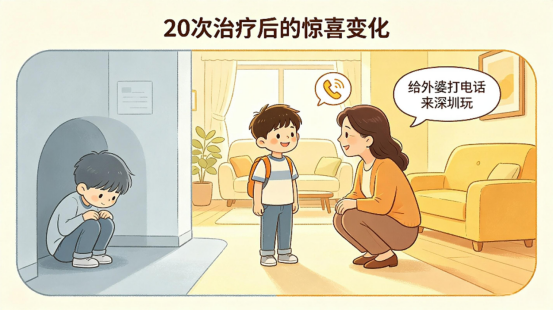
Reading Cues and Seeking Help Proactively
Improved Memory, and Warm Emotional Expression
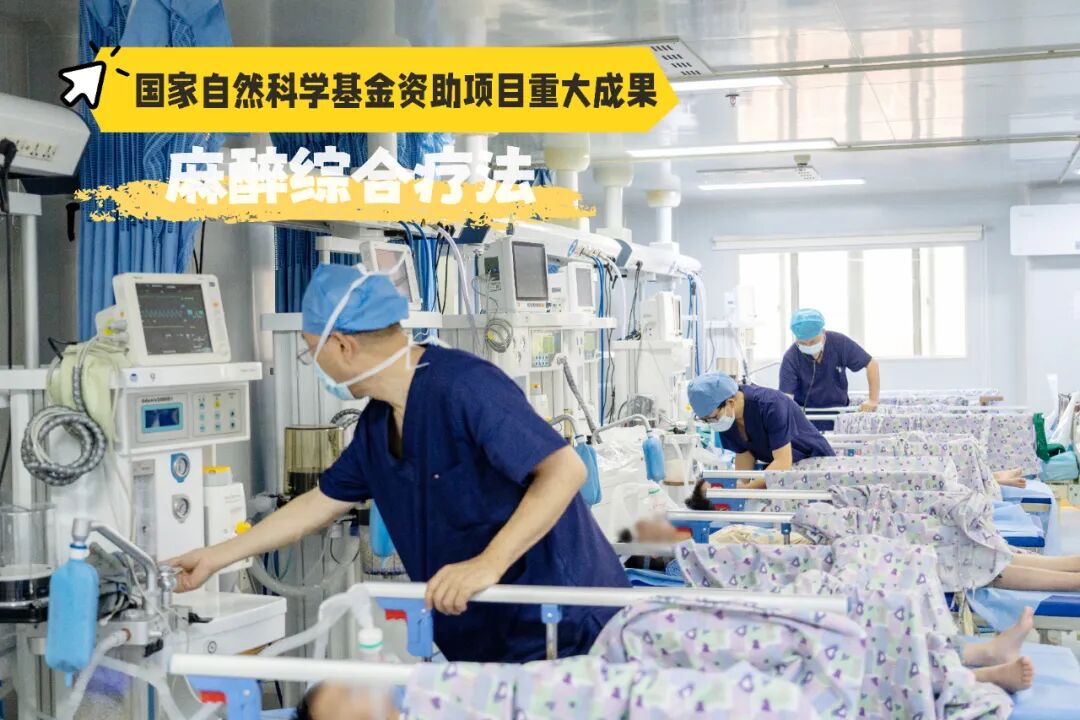
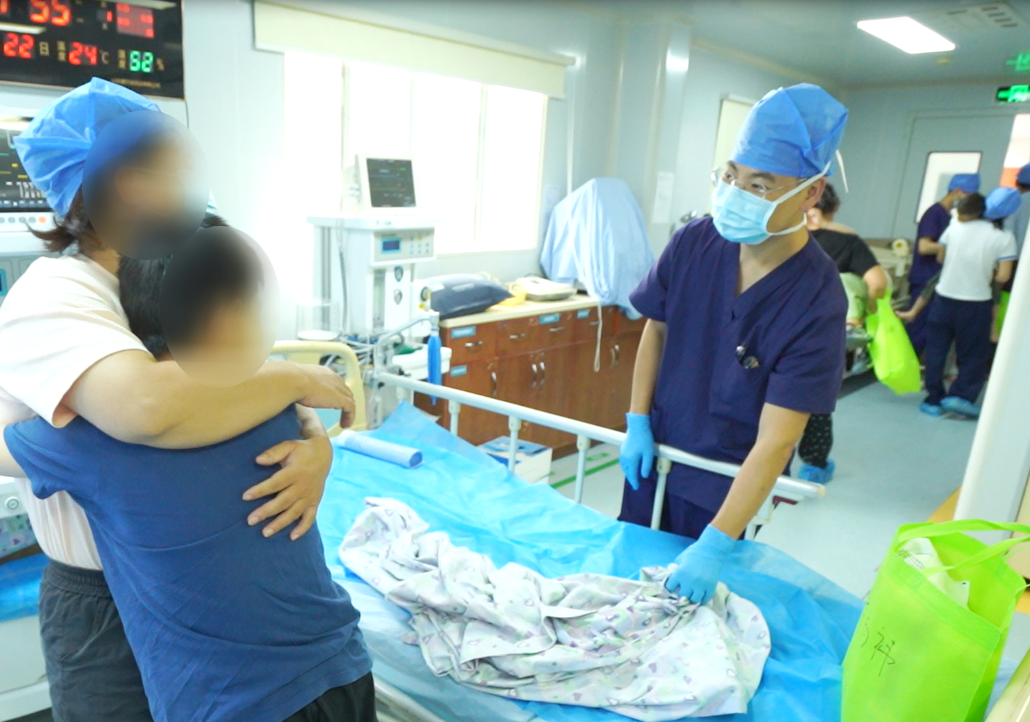
**Comprehensive Anesthesia Therapy for Autism:** As a major achievement of a project funded by the National Natural Science Foundation of China, this technique uses a low-concentration sevoflurane inhalation-based intervention, combined with stellate ganglion block, neuromodulation, behavioral rehabilitation training, and distinctive traditional Chinese medicine therapies, forming a multimodal comprehensive treatment system.
The core pathology of autism is abnormal development of the brain circuits responsible for social interaction and language, an imbalance between excitation and inhibition in the cerebral cortex, and difficulty for neurons to establish normal communication connections. Traditional rehabilitation only provides surface-level training for external behavior and language and cannot repair damaged neural structures. This is the fundamental reason why many children with autism show little improvement after years of training. The Multidisciplinary Combined Treatment Center in our hospital’s Autism Ward integrates multidisciplinary experts from rehabilitation medicine, neurology, anesthesiology, pediatrics, traditional Chinese medicine, psychiatry and psychology, and other fields for joint diagnosis and treatment, and formulates individualized systematic treatment plans. It uses a low-dose anesthesia regimen far below surgical standards to gently regulate brain neurotransmitters. By regulating the excitation/inhibition balance of brain neural circuits, it improves the core symptoms and common comorbidities of children with autism. At the same time, it combines modern rehabilitation training, traditional Chinese medicine conditioning, and other adjunctive methods to achieve multi-directional effects of neural repair plus behavioral consolidation.
After admission, each child completes a full set of developmental scales and specialized brain function assessments to precisely locate the individual’s damaged brain regions and tailor an individualized treatment cycle and supporting rehabilitation plan, avoiding standardized “one-size-fits-all” training. Unlike single-modality traditional rehabilitation training, multidisciplinary collaborative Comprehensive Anesthesia Therapy can regulate brain status in an all-round way. For school-age and older children with autism who have seen no breakthrough after long-term conventional rehabilitation, it is a new, more efficient, and more targeted intervention pathway.
Choosing the Right Approach Avoids Detours
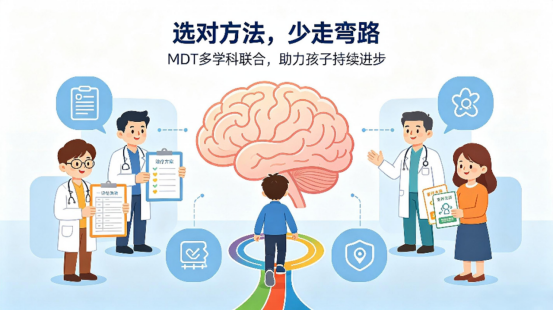
“Xiao Long is a very typical clinical case of a child with autism who has high cognition and severe social deficits. Children like him often have outstanding strengths in memory, numbers, and artistic ability, but their social and emotional empathy abilities are very difficult to improve through ordinary training. This is also the type most likely to get stuck in traditional rehabilitation. Comprehensive Anesthesia Therapy differs from surface-level behavioral training in that it directly acts on the repair of brain neural connections and can rapidly awaken a child’s inner desire to socialize. Many parents mistakenly believe that once a child is older and the brain has become fixed, there is no room for improvement. In fact, school-age children still possess strong potential for neural remodeling. As long as scientific, targeted intervention methods are adopted, social interaction, language, and cognition can continue to improve steadily. Parents should never give up easily.”
“Thank you very much. We will continue with the treatment.” Xiao Long’s mother was very satisfied with the treatment results and wanted to share her personal experience with every family struggling on the rehabilitation journey: “Come to Shenzhen Overseas Chinese Hospital and try this cutting-edge therapy. We have truly seen hope for our child to step out of isolation. On the long road of rehabilitation, there is no need for excessive anxiety or self-torment. Find the scientific intervention method that suits your child, and there will be hope for change and pleasant surprises.”
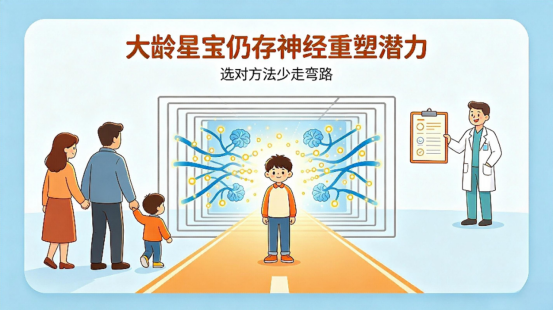
If your child has prominent issues such as social avoidance, lack of spontaneous language, or repetitive and stereotyped behaviors, or if years of conventional rehabilitation training have produced little effect, there is still an opportunity for improvement and progress—even if the child is older. The Multidisciplinary Combined Treatment Center for Autism at Shenzhen Overseas Chinese Hospital, driven by internationally cutting-edge technologies such as Comprehensive Anesthesia Therapy and precision neuromodulation of brain circuits, provides one-on-one professional developmental assessments, individualized phased intervention plans, and full-cycle rehabilitation follow-up services, offering a new rehabilitation pathway for autism families who have traveled far and wide seeking medical help across the country.
Parents in need can make an appointment with our hospital’s specialized autism clinic. Our multidisciplinary expert team will develop a personalized rehabilitation plan based on the child’s actual developmental condition, accompanying children with autism as they break down the barriers of isolation and grow steadily, step by step.❤️
 Appointment Service
 Traffic Guide
 Medical Notice